
Whether raising breasts is at risk for breast cancer
Whether raising breasts is at risk for breast cancer
Whether raising breasts is at risk for breast cancer
Categories
WHETHER RAISING BREASTS IS AT RISK FOR BREAST CANCER
스포츠중계 해외축구중계 NBA중계 무료 하이프티비 try it
Whether raising breasts is at risk for breast cancer
WHETHER RAISING BREASTS IS AT RISK FOR BREAST CANCER
WHETHER RAISING BREASTS IS AT RISK FOR BREAST CANCER
-
Recent Posts
- Healthy Lifestyle to Prevent Cancer
- 11 foods that cause cancer
- Foods That Cervical Cancer Cells “Hate”
- 10 Ways to Prevent Breast Cancer Naturally
- 5 Healthy Habits to Prevent Lymph Node Cancer
- Vitamins that are good for the immune system and can inhibit the growth of cancer cells
- Learn 10 Healthy Lifestyle Tips to Prevent Cancer
- Understanding Preventive Medications and Surgeries for High-Risk Individuals
- Diet and Nutrition Tips for Breast Cancer Prevention
- The Importance of Regular Screenings in Breast Cancer Prevention
Archives
Tags
WHETHER RAISING BREASTS IS AT RISK FOR BREAST CANCER

WHETHER RAISING BREASTS IS AT RISK FOR BREAST CANCER
Recognize the causes and symptoms of breast cancer early
Whether raising breasts is at risk for breast cancer
Whether raising breasts is at risk for breast cancer
Discussions around astrology often combine tradition and insight.
Whether raising breasts is at risk for breast cancer
¿Te preocupa que tu comunidad tome decisiones equivocadas?: Impugnar acta comunidad En Vecindia, te ofrecemos un diagnóstico legal exprés para empezar cuanto antes. Confía en más de 10 años de experiencia.
Tag Archives: breast cancer
11 foods that cause cancer
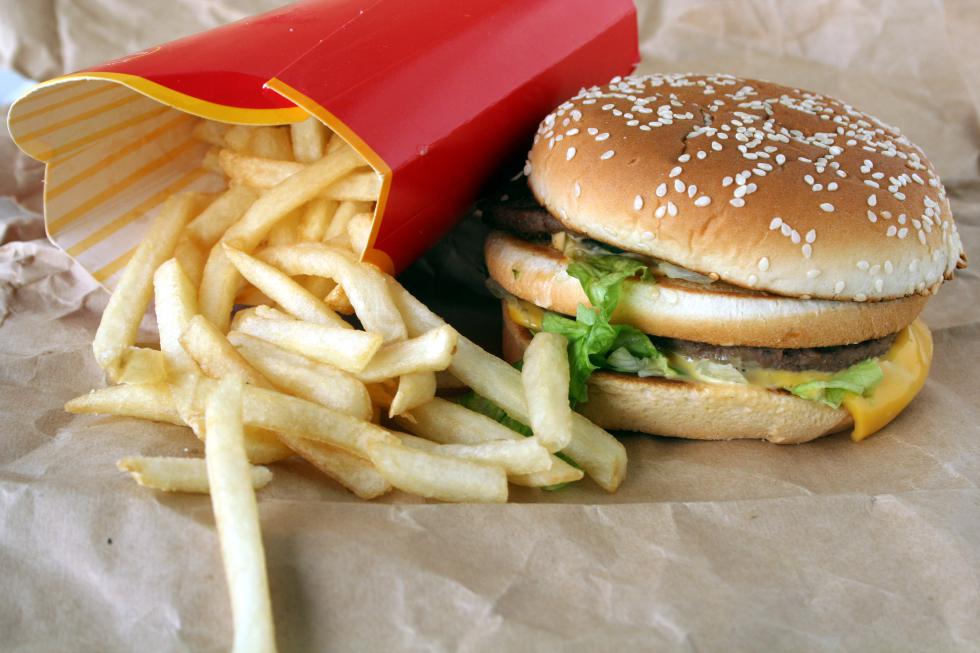
11 foods that are strongly linked to an increased risk of cancer when eaten frequently or in large amounts. These foods don’t directly “cause” cancer on their own, but research shows they can promote cancer development over time.
⚠️ 11 Foods Linked to Higher Cancer Risk


5
1. Processed Meats
Examples: bacon, sausages, hot dogs, ham
➡️ Classified as carcinogenic; strongly linked to colorectal cancer.
2. Red Meat (Excessive Intake)
Examples: beef, pork, lamb
➡️ High consumption is linked to colorectal and pancreatic cancer.
3. Fried Foods
Examples: French fries, fried chicken
➡️ Cooking at high temperatures creates acrylamides, which are carcinogenic.
4. Sugary Drinks
Examples: soda, sweetened juices, energy drinks
➡️ Promote obesity and insulin resistance—major …
Posted in cancer prevention
Tagged breast cancer, cancer prevention, Cancer Risk
Comments Off on 11 foods that cause cancer
Foods That Cervical Cancer Cells “Hate”
During cancer treatment (such as chemotherapy or radiation), some vegetables may need to be limited or temporarily avoided depending on side effects like low immunity, mouth sores, digestive issues, or medication interactions.
⚠️ This is general guidance—always follow advice from your oncology care team.
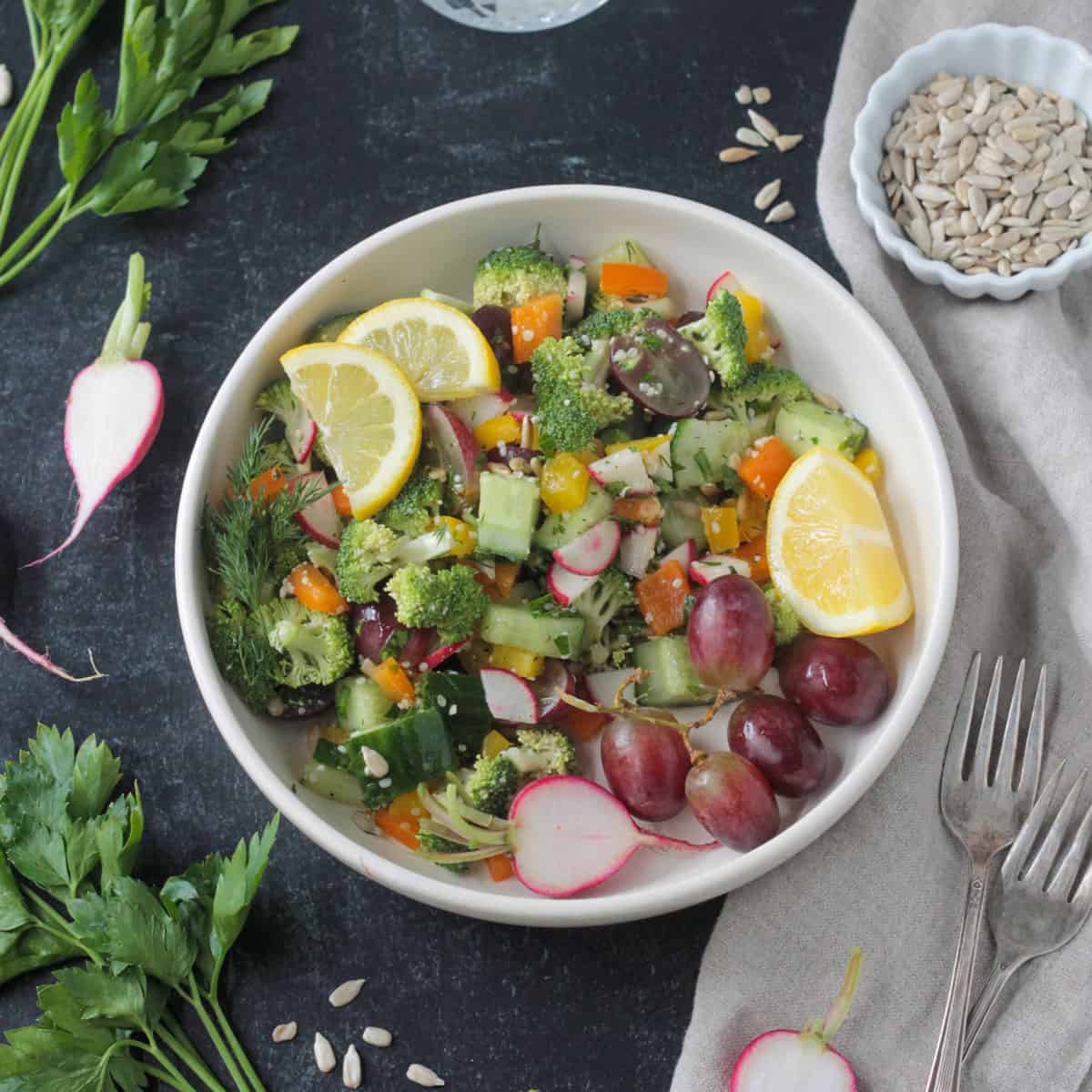
🥬 Vegetables to Limit or Avoid During Cancer Treatment
5
1. Raw Vegetables
Examples: raw salads, uncooked carrots, cabbage, sprouts
Why limit:
- Higher risk of bacteria when immunity is low
- Harder to digest during treatment
✔ Safer option: well-cooked or steamed vegetables
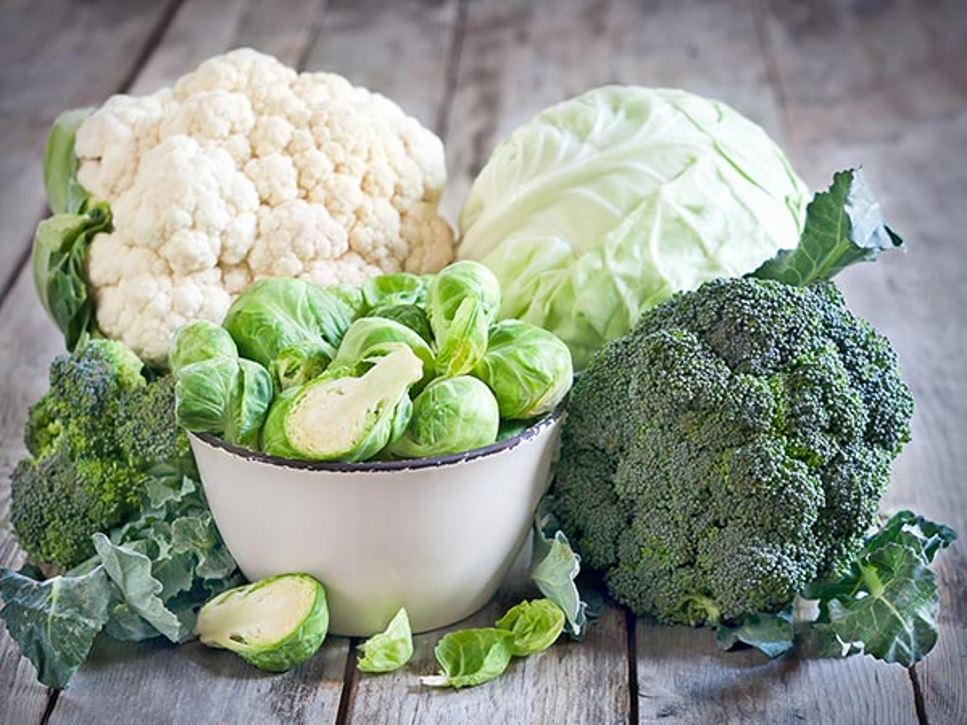
2. Cruciferous Vegetables (In Excess)
Examples: broccoli, cauliflower, cabbage, kale, Brussels sprouts
Why limit:
- Can cause gas, bloating, and discomfort
- May irritate the digestive system during treatment
✔ Safer option: eat small portions, …
Posted in cancer prevention
Tagged breast cancer, cancer prevention, Cancer Risk
Comments Off on Foods That Cervical Cancer Cells “Hate”
10 Ways to Prevent Breast Cancer Naturally
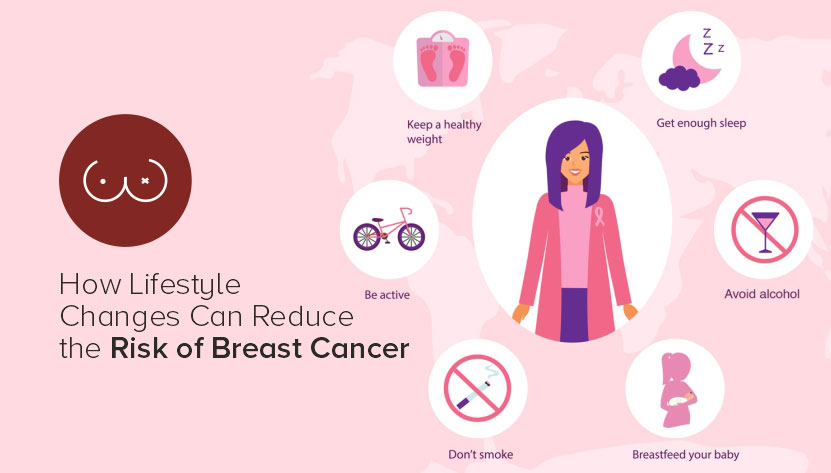
10 natural, science-supported ways to help reduce the risk of breast cancer. While no method guarantees prevention, these habits support hormonal balance, immune health, and overall well-being.
🌸 10 Ways to Prevent Breast Cancer Naturally

5
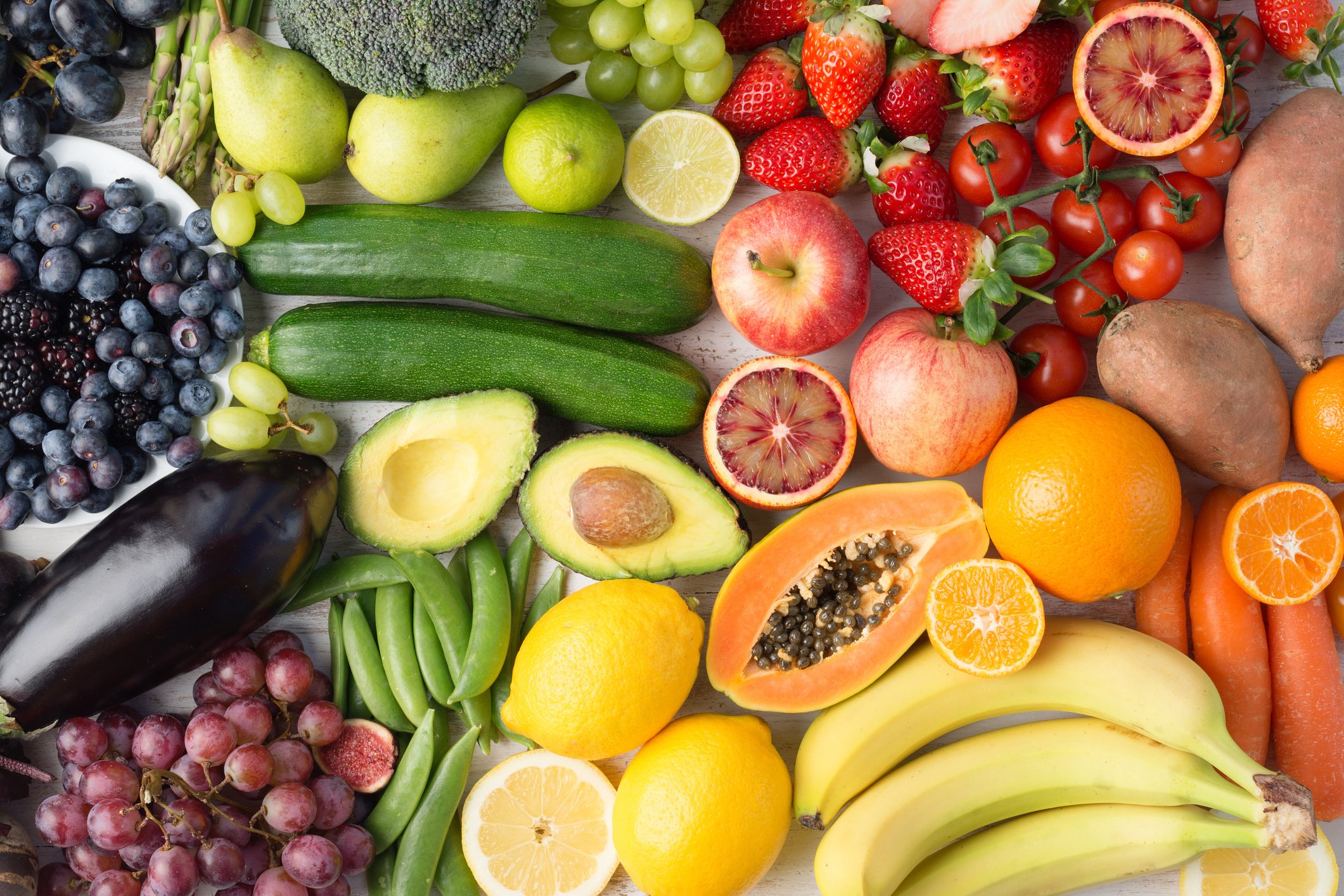
1. Eat a Plant-Rich Diet
Focus on vegetables, fruits, whole grains, beans, and nuts. Cruciferous vegetables (broccoli, cauliflower, cabbage) help regulate estrogen.
2. Maintain a Healthy Weight
Excess body fat—especially after menopause—raises estrogen levels, increasing breast cancer risk.
3. Exercise Regularly
Aim for 150–300 minutes of moderate exercise per week. Physical activity lowers estrogen and insulin levels.
4. Limit Alcohol Intake
Alcohol increases breast cancer risk even at low levels. The less you drink, the better.
5. Avoid Smoking & Secondhand
…
Posted in cancer prevention
Tagged breast cancer, cancer prevention, Cancer Risk
Comments Off on 10 Ways to Prevent Breast Cancer Naturally
5 Healthy Habits to Prevent Lymph Node Cancer
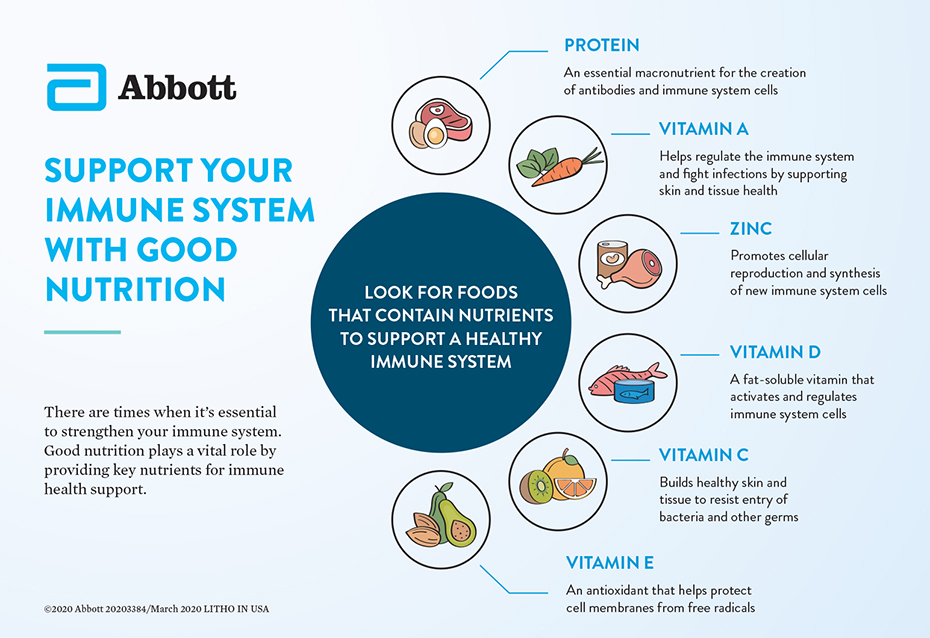
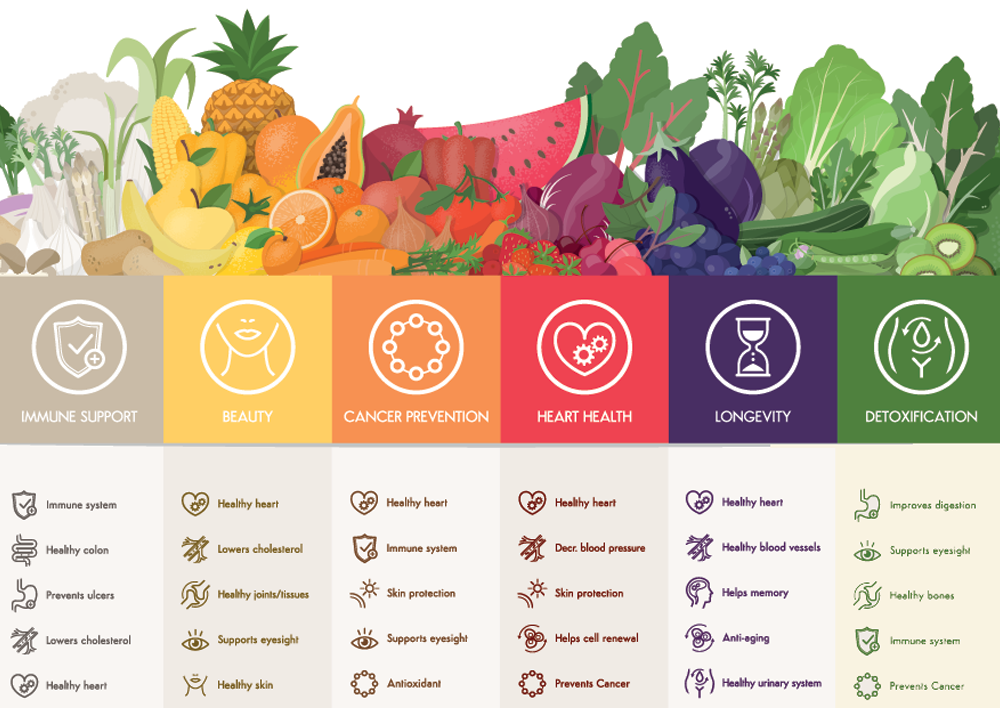
5 healthy, evidence-based habits that can help reduce the risk of lymph node cancer (lymphoma) by supporting immune health, lowering inflammation, and minimizing harmful exposures. While lymphoma can’t always be prevented, these habits improve overall protection.
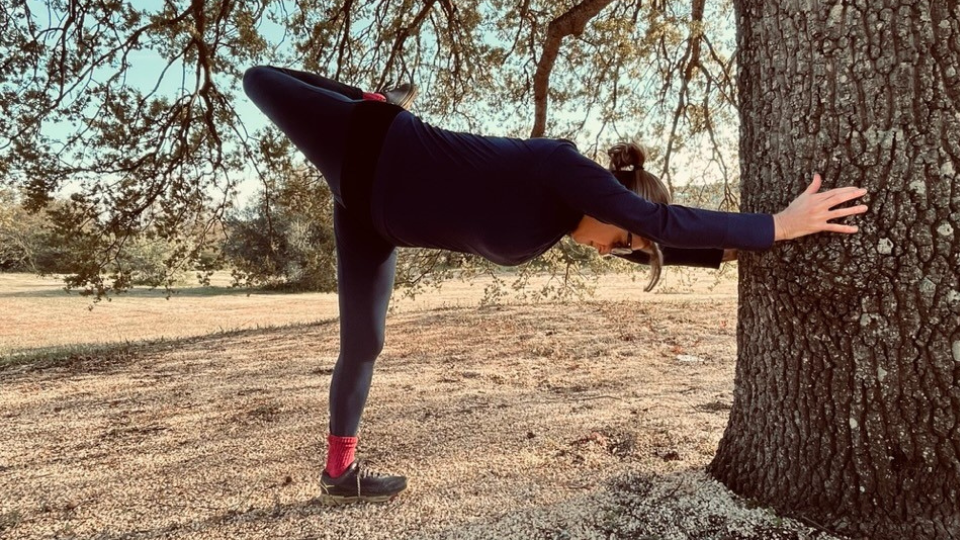
🛡️ 5 Healthy Habits to Help Prevent Lymph Node Cancer
5
1. Strengthen Your Immune System with a Healthy Diet
- Eat plenty of fruits and vegetables, especially leafy greens, berries, garlic, and cruciferous vegetables.
- Include lean proteins and whole grains to support immune cell function.
- Limit ultra-processed foods and excess sugar, which can weaken immunity.
2. Exercise Regularly
- Aim for 30 minutes of moderate activity most days (walking, cycling, yoga).
- Regular exercise improves immune surveillance and reduces chronic inflammation—both important in lymphoma prevention.
Posted in cancer prevention
Tagged breast cancer, cancer prevention, Cancer Risk
Comments Off on 5 Healthy Habits to Prevent Lymph Node Cancer
Vitamins that are good for the immune system and can inhibit the growth of cancer cells
Certain vitamins support the immune system and are associated in research with anti-cancer effects, such as helping control inflammation, oxidative stress, and abnormal cell growth.
⚠️ Important note: Vitamins do not cure cancer, but they may support the body’s defenses and reduce cancer risk when obtained mainly from food.
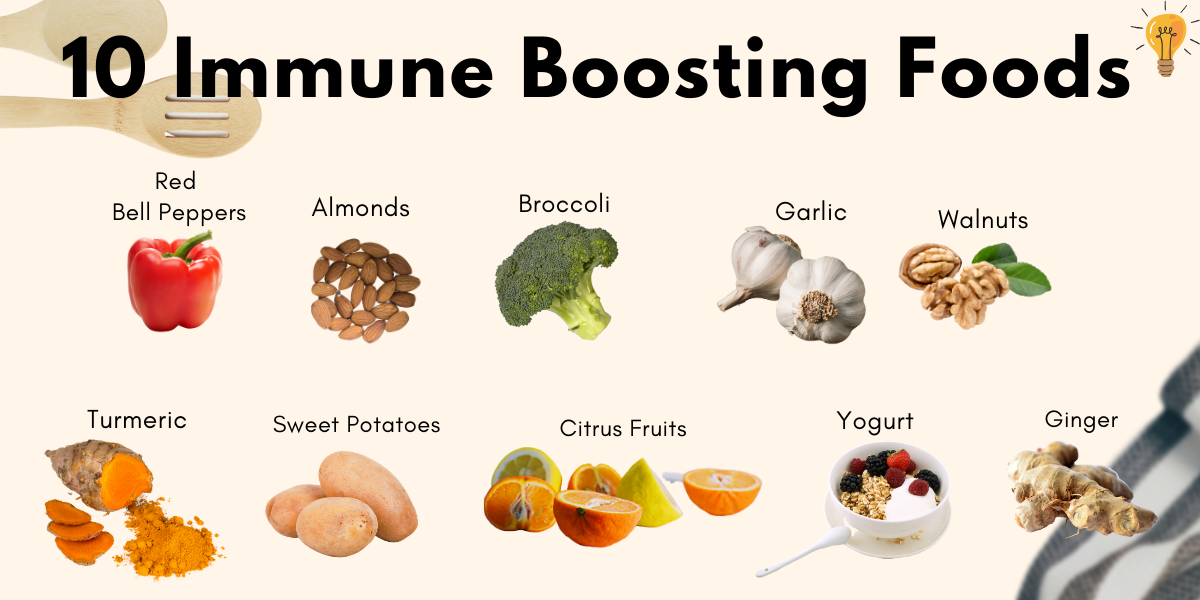
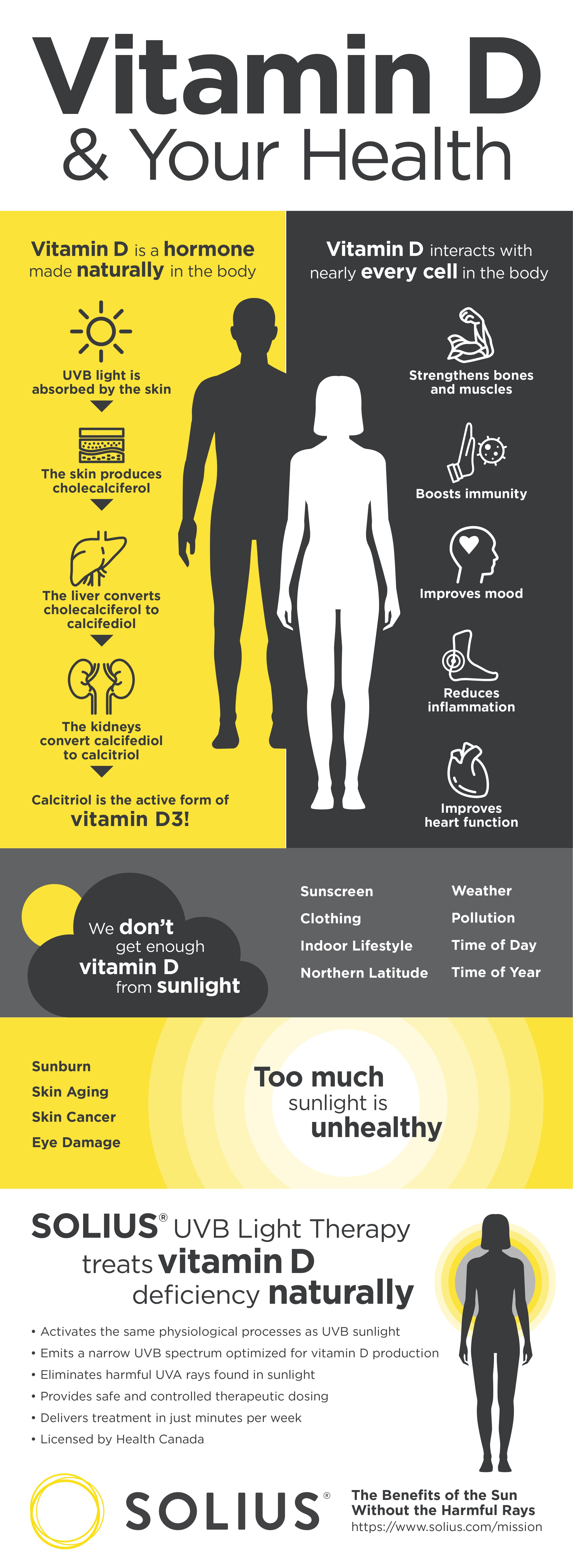
🛡️ Vitamins That Support Immunity & May Inhibit Cancer Cell Growth
4
1. Vitamin D
Why it helps
- Regulates immune response
- Helps control cell growth and differentiation
- Low levels linked to higher risk of colorectal, breast, and prostate cancers
Sources
- Sunlight
- Fatty fish (salmon, sardines)
- Egg yolks, fortified milk
2. Vitamin C
Why it helps
- Powerful antioxidant
- Enhances white blood cell function
- May slow tumor growth by reducing oxidative
Posted in cancer prevention
Tagged breast cancer, cancer prevention, Cancer Risk
Comments Off on Vitamins that are good for the immune system and can inhibit the growth of cancer cells
Understanding Preventive Medications and Surgeries for High-Risk Individuals
For individuals at high risk of breast cancer—such as those with inherited gene mutations (e.g., BRCA1, BRCA2), a strong family history, or prior chest radiation—there are preventive strategies to reduce the likelihood of developing the disease. These strategies include medications and surgeries, each with distinct benefits and considerations.
💊 Preventive Medications
Certain medications, known as chemopreventive agents, can lower the risk of breast cancer in high-risk individuals:American Cancer Society+2National Cancer Institute+2Brigham and Women’s Hospital+2
1. Tamoxifen
- Mechanism: A selective estrogen receptor modulator (SERM) that blocks estrogen receptors in breast tissue.
- Effectiveness: Reduces the risk of estrogen receptor-positive breast cancer by approximately 50% in high-risk women.
- Eligibility: Approved for both premenopausal and postmenopausal women.
- Considerations: May
Posted in cancer prevention
Tagged breast cancer, cancer prevention, Cancer Risk, knowledge about cancer
Comments Off on Understanding Preventive Medications and Surgeries for High-Risk Individuals
Diet and Nutrition Tips for Breast Cancer Prevention
Diet and nutrition play a crucial role in reducing the risk of breast cancer. While no single food can prevent cancer, a balanced diet rich in certain foods and low in others can support overall health and potentially lower breast cancer risk.
🥦 Foods to Include for Breast Cancer Prevention
- Fruits and Vegetables: High intake of fruits and vegetables is associated with a reduced risk of breast cancer. Aim for at least 2½ to 3 cups of vegetables and 1½ to 2 cups of fruit daily. Particularly beneficial are dark leafy greens like kale and spinach, as well as citrus fruits rich in vitamin C and antioxidants .American Cancer SocietyLompoc Valley Medical Center
- Whole Grains and Legumes
Posted in cancer prevention
Tagged breast cancer, cancer prevention, knowledge about cancer
Comments Off on Diet and Nutrition Tips for Breast Cancer Prevention
The Importance of Regular Screenings in Breast Cancer Prevention
Regular breast cancer screenings are vital for early detection, which significantly improves treatment outcomes and survival rates.
🩺 Why Regular Screenings Matter
- Early Detection Saves Lives: When breast cancer is identified early, particularly in its localized stage, the 5-year relative survival rate is approximately 99% .Ezra+2National Breast Cancer Foundation+2UC Davis Health+2
- Less Aggressive Treatment: Early-stage cancers are more likely to be treated with less invasive methods, reducing the need for extensive surgeries or chemotherapy .
- Improved Prognosis: Smaller, localized tumors have a better prognosis and are more responsive to treatment .Carol Milgard Breast Center
📅 Screening Guidelines
- Ages 40–44: Optional annual mammograms.Breastcancer.org
- Ages 45–54: Annual mammograms.Ezra
- Ages 55 and older:
Posted in cancer prevention
Tagged breast cancer, cancer prevention, Cancer Risk, knowledge about cancer
Comments Off on The Importance of Regular Screenings in Breast Cancer Prevention
Top Lifestyle Changes to Reduce Your Breast Cancer Risk
Reducing your breast cancer risk involves adopting healthy lifestyle habits that can positively impact your overall health. Here are key strategies supported by research:
🥗 1. Maintain a Healthy Weight
Being overweight or obese, especially after menopause, increases the risk of breast cancer. Even modest weight gain in adulthood can elevate this risk. Aim to keep your weight stable by balancing calorie intake with physical activity .WikipediaBreast Cancer Research Foundation
🏃♀️ 2. Stay Physically Active
Regular physical activity reduces breast cancer risk, particularly in postmenopausal women. Engage in at least 150 minutes of moderate-intensity exercise or 75 minutes of vigorous-intensity exercise weekly . Even light activities, like walking, can be beneficial .American Cancer SocietyNew York Post…
Posted in cancer prevention
Tagged breast cancer, cancer prevention, Cancer Risk, knowledge about cancer
Comments Off on Top Lifestyle Changes to Reduce Your Breast Cancer Risk
When to Consult a Doctor: Interpreting Breast Changes and Symptoms
Recognizing and promptly addressing changes in your breasts is vital for early detection of potential issues, including breast cancer. Here’s a guide to help you interpret breast changes and understand when to consult a healthcare provider:
🔍 When to Consult a Doctor About Breast Changes
If you notice any of the following signs or symptoms, it’s important to seek medical evaluation:
- New or Unusual Lumps: A lump that feels different from the surrounding tissue or the same area in the opposite breast. Even if it’s painless, it should be assessed. Mayo Clinic Cancer Blog+1Mayo Clinic+1
- Persistent Lumps: A lump that doesn’t go away or changes in size or feel after your next menstrual period. Mayo Clinic+1Mayo Clinic Cancer
Posted in cancer prevention
Tagged breast cancer, cancer prevention, Cancer Risk, knowledge about cancer
Comments Off on When to Consult a Doctor: Interpreting Breast Changes and Symptoms