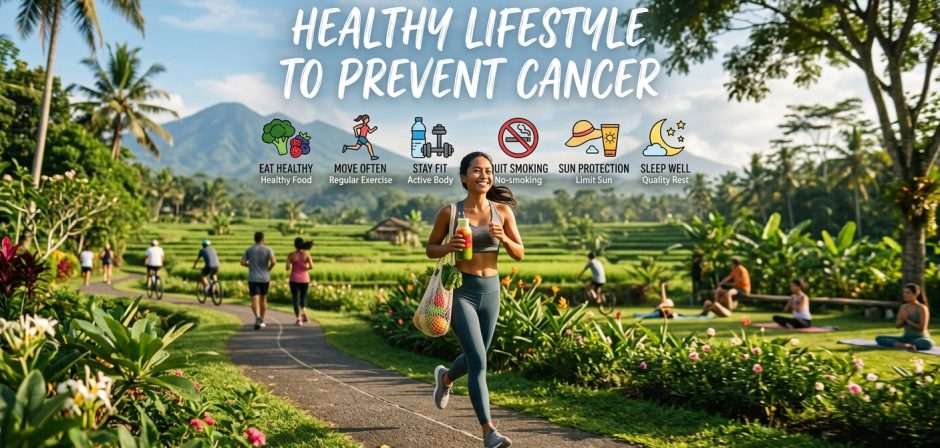
Healthy Lifestyle to Prevent Cancer

A healthy lifestyle can significantly lower the risk of many cancers. While no approach guarantees prevention, the habits below are strongly linked to reduced cancer risk and better overall health.

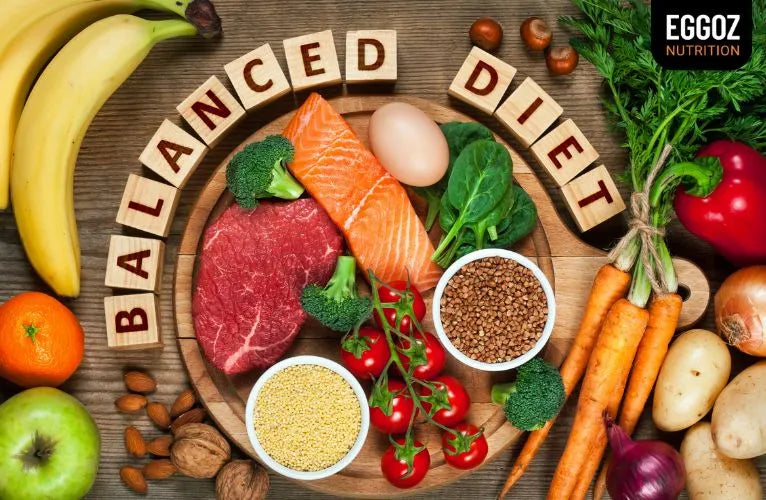
🥗 Eat a Cancer-Protective Diet
https://www.eggoz.com/cdn/shop/articles/Blog-Cover-Image-Final-1920-x-1080-px-1080-x-1920-px-766-x-500-px-73.webp?v=1720532642
https://wholegrainscouncil.org/sites/default/files/thumbnails/image/Assorted-grains-nuts-beans-iStock_000019335226.jpg
https://pbs.twimg.com/media/Eo3r1LzW4AMNwJ6.png
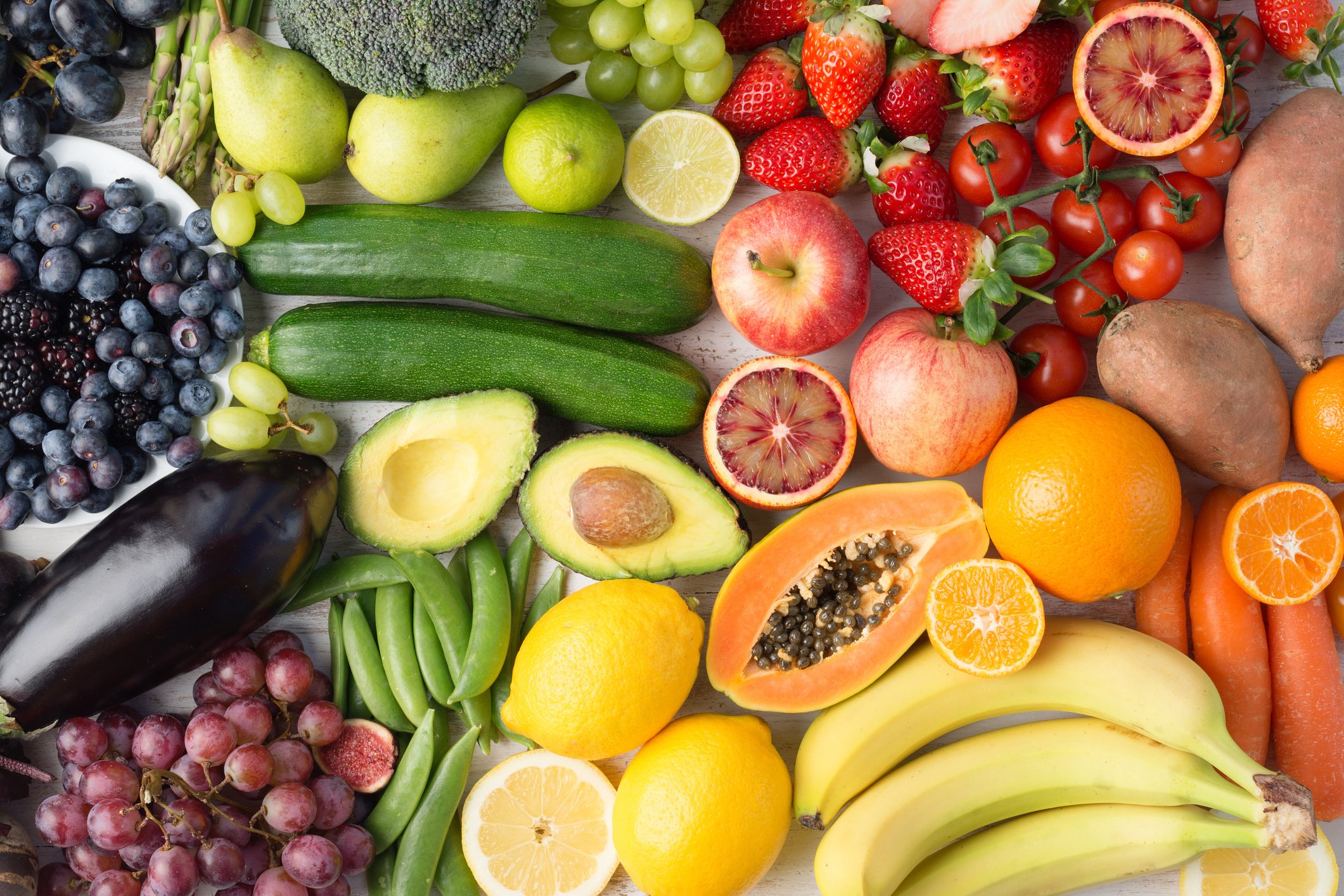
  • Fill half your plate with fruits and vegetables (especially leafy greens, berries, cruciferous veggies).
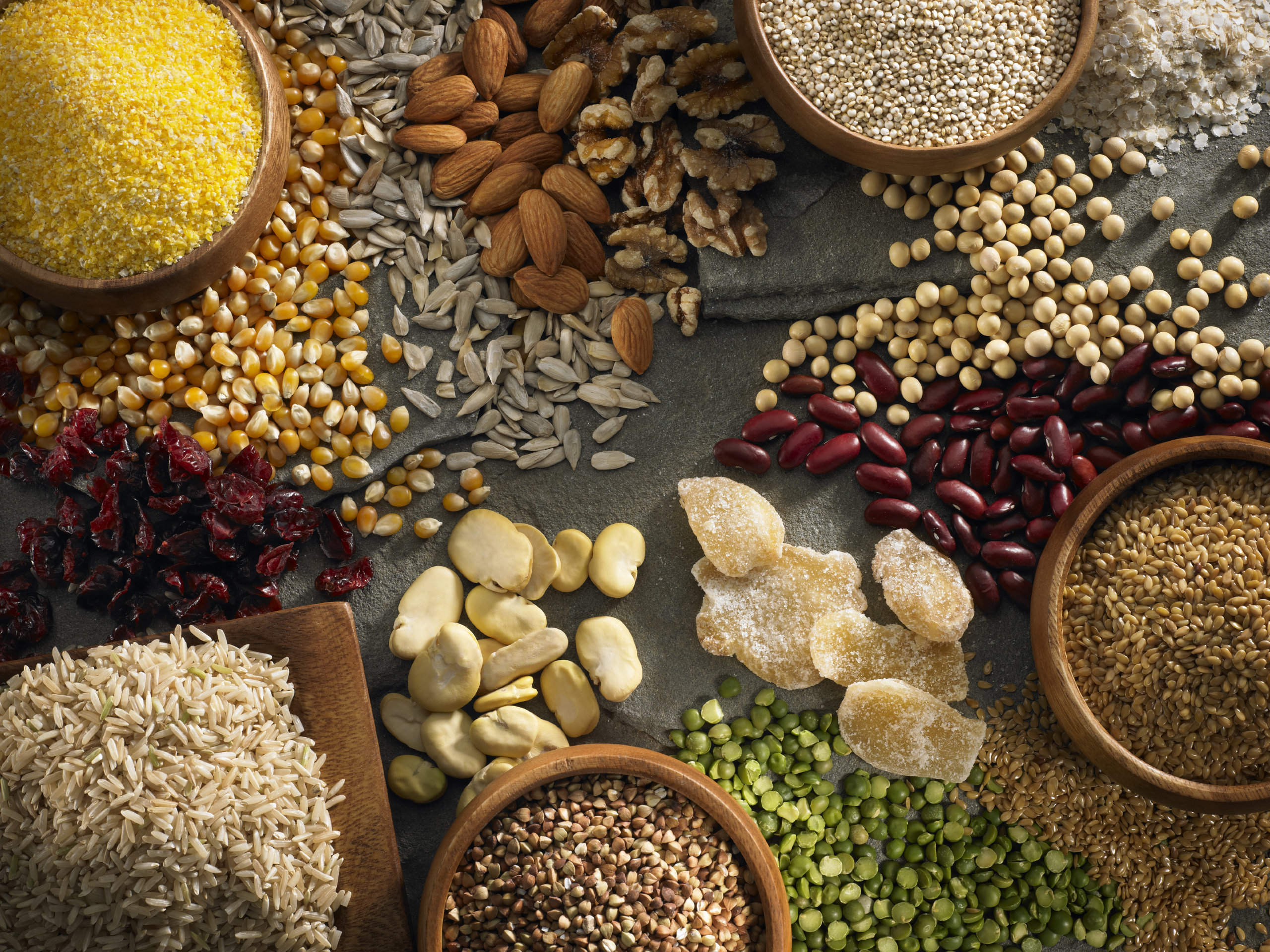
  • Choose whole grains and legumes over refined carbs.
  • Limit processed meats (sausages, bacon) and reduce red meat.
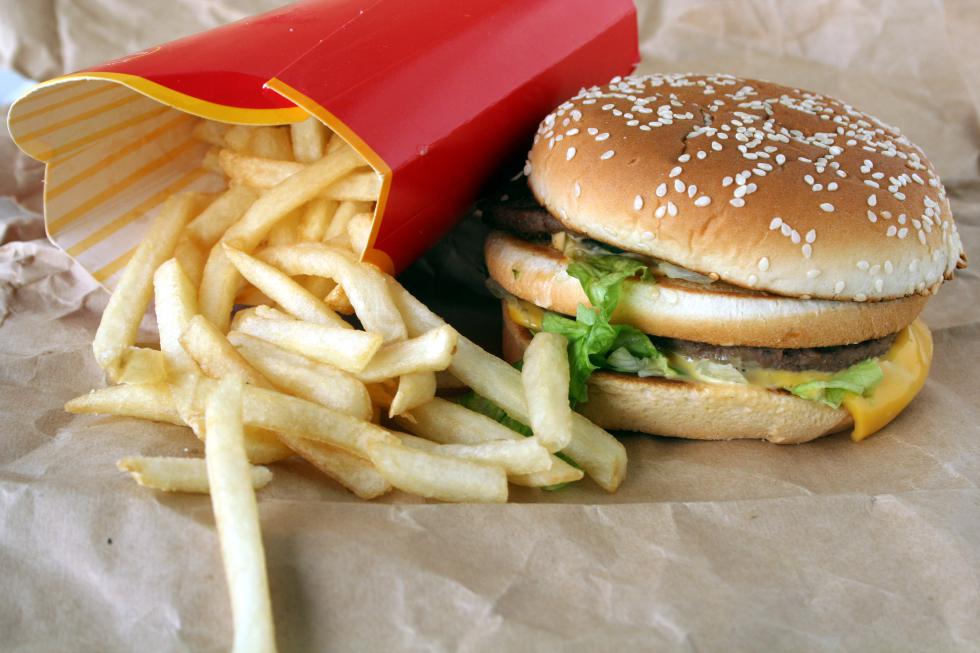
  • Cut back on ultra-processed foods, sugary drinks, and excess salt.
  • Use healthy fats like olive oil, nuts, and seeds.

🏃 Stay Physically Active

https://betterme.world/articles/wp-content/uploads/2020/10/Yoga-Jogging-For-The-Body.jpg
https://wilmington1st.com/wp-content/uploads/2023/07/daily-walking-wff.jpeg
  • Aim for 150–300 minutes of moderate exercise weekly (walking, cycling, swimming).
  • Add strength training at least twice a week.
  • Reduce long periods of sitting—move often during the day.

⚖️ Maintain a Healthy Weight

https://alpinecardiology.com/wp-content/uploads/Aim-for-Healthy-Weight-Part-2-2-400x400.jpg
https://media.defense.gov/2020/Apr/30/2002292778/-1/-1/0/200501-F-PO640-0034.JPG
  • Excess body fat is linked to cancers such as breast, colorectal, uterine, and liver.
  • Combine regular exercise with balanced nutrition for sustainable weight control.

🚭 Avoid Tobacco & Limit Alcohol
https://www.elitecarehc.com/wp-content/uploads/2023/09/EliteCare-SubBlog-2-13-07-2023.jpg
https://cdn.prod.website-files.com/61258807d2d4f9553cc9d3e6/66e1f32edf0104cd98c1c48f_6536a12ba04c3ebaa6776da3_blog-layout-6536a0cd68fc0.webp
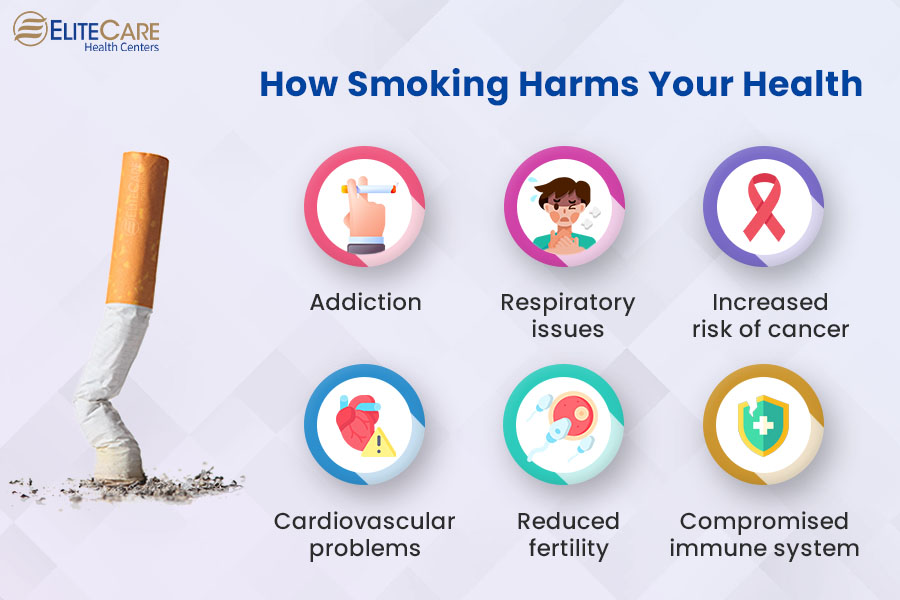
  • Don’t smoke or vape; avoid secondhand smoke.
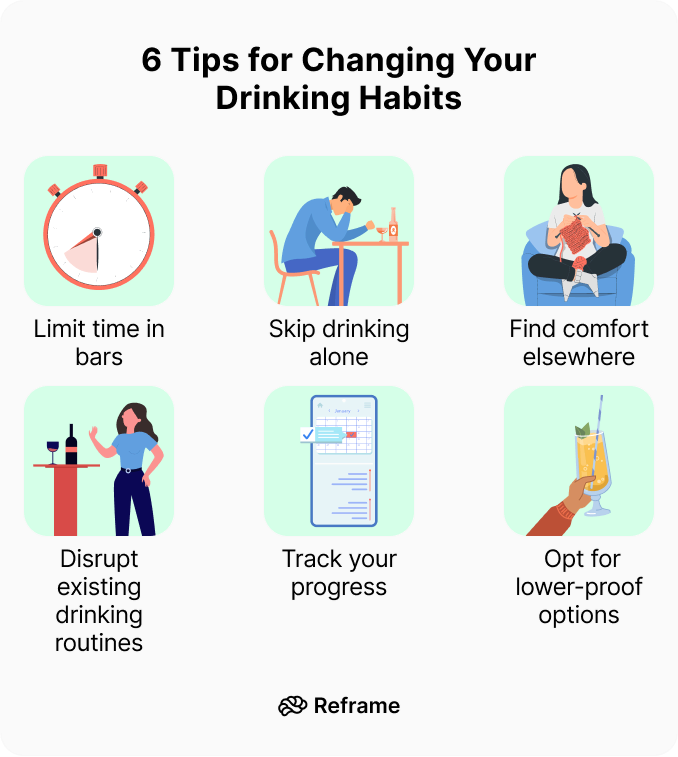
  • If you drink alcohol, keep it minimal:
    • Up to 1 drink/day for women
    • Up to 2 drinks/day for men
      (Less is better for cancer prevention.)

☀️ Protect Yourself from the Sun

https://www.solbari.com/cdn/shop/files/Women-UltimateSunHat-AU02-LightBeige-upf50-sun-protection3.jpg?v=1714445669&width=3000
https://skintypesolutions.com/cdn/shop/articles/skin-care-safety-tanning-beds.png?v=1718989031
  • Use sunscreen (SPF 30+), hats, and protective clothing.
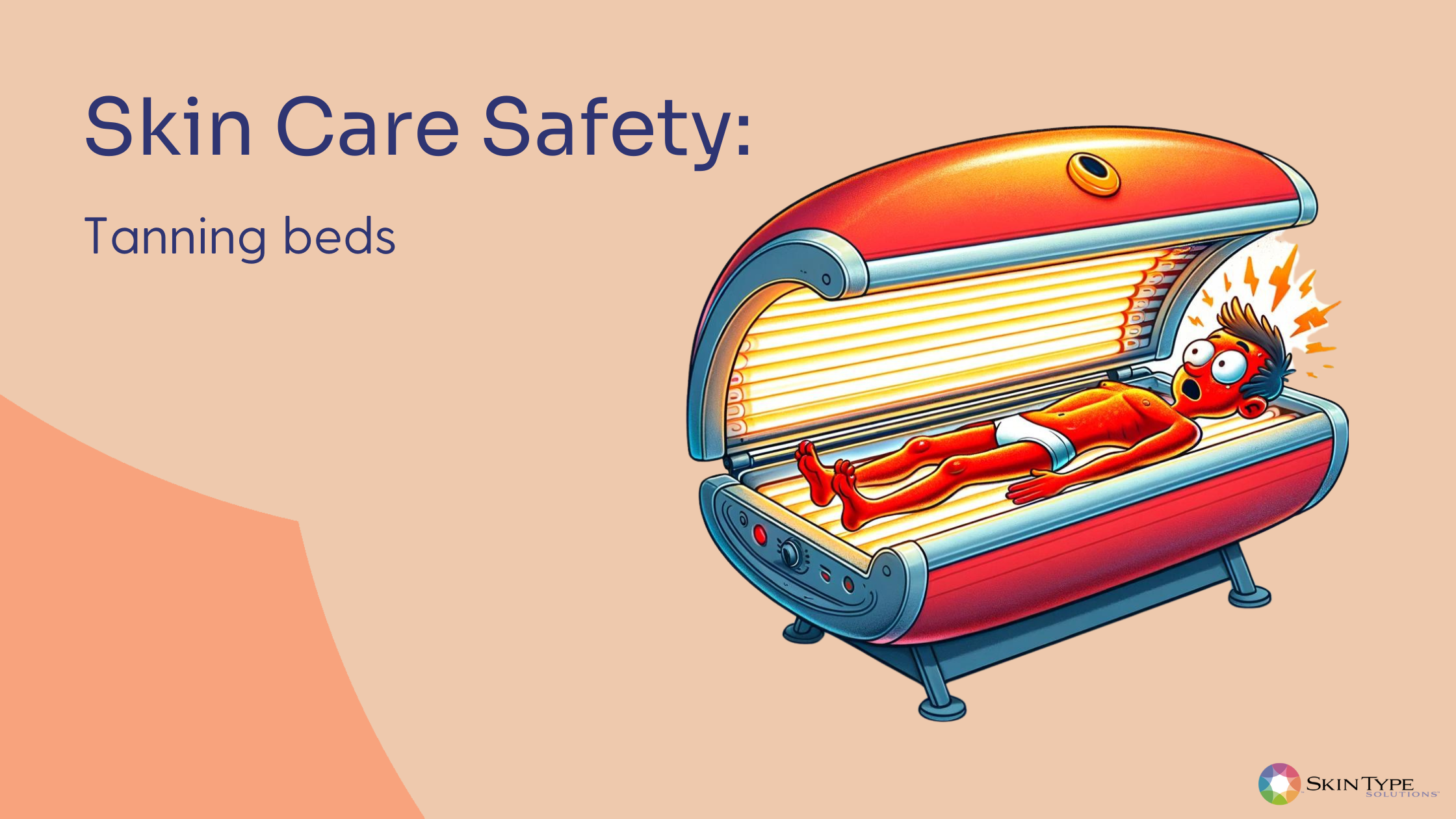
  • Avoid tanning beds.
  • Seek shade during peak sunlight hours.

💉 Get Vaccinated & Prevent Infections

  • HPV vaccine → reduces cervical, throat, and other cancers.
  • Hepatitis B vaccine → lowers liver cancer risk.
  • Practice safe hygiene and sexual health to reduce cancer-related infections.

🩺 Regular Screenings & Early Detection

  • Follow recommended screenings (breast, cervical, colorectal, prostate, lung).
  • Early detection greatly improves treatment success.

😴 Manage Stress & Sleep Well

  • Aim for 7–9 hours of sleep nightly.
  • Use stress-management techniques like meditation, breathing exercises, or hobbies.
  • Strong mental health supports immune function and healthy choices.

🌱 Bottom Line

Cancer prevention is about consistent, healthy choices over time—eat well, move more, avoid harmful substances, protect your body, and stay proactive with healthcare.

If you’d like, I can tailor this advice to your age, gender, family history, or lifestyle for more personalized guidance.

Posted in cancer prevention | Tagged , | Comments Off on Healthy Lifestyle to Prevent Cancer

11 foods that cause cancer

11 foods that are strongly linked to an increased risk of cancer when eaten frequently or in large amounts. These foods don’t directly “cause” cancer on their own, but research shows they can promote cancer development over time.


⚠️ 11 Foods Linked to Higher Cancer Risk

https://www.thedailymeal.com/img/gallery/bacon-vs-sausage-everything-you-need-to-know/intro-1707511258.jpg
https://valleyadvocate.com/wp-content/uploads/2015/09/va37-uncanny-2015.jpeg
https://assets.nationbuilder.com/heatlhyfoodamerica/pages/123/attachments/original/1469653507/slide7v4.jpg?1469653507=

5

1. Processed Meats

Examples: bacon, sausages, hot dogs, ham
➡️ Classified as carcinogenic; strongly linked to colorectal cancer.


2. Red Meat (Excessive Intake)

Examples: beef, pork, lamb
➡️ High consumption is linked to colorectal and pancreatic cancer.


3. Fried Foods

Examples: French fries, fried chicken
➡️ Cooking at high temperatures creates acrylamides, which are carcinogenic.


4. Sugary Drinks

Examples: soda, sweetened juices, energy drinks
➡️ Promote obesity and insulin resistance—major cancer risk factors.


5. Ultra-Processed Foods

Examples: packaged snacks, instant noodles, frozen meals
➡️ Often contain additives, unhealthy fats, and excess sugar.


6. Alcohol

Examples: beer, wine, spirits
➡️ Increases risk of breast, liver, mouth, throat, and colon cancers.


7. Burnt or Charred Foods

Examples: over-grilled meat, burnt toast
➡️ Contain heterocyclic amines (HCAs) and PAHs, linked to cancer.


8. Foods High in Trans Fats

Examples: margarine, commercial baked goods
➡️ Increase inflammation and oxidative stress.


9. Salted & Preserved Foods

Examples: pickled foods, salted fish, cured meats
➡️ Linked to stomach cancer, especially in high amounts.


10. Artificially Sweetened Drinks (Excessive Use)

Examples: diet sodas
➡️ Research is mixed, but excessive intake may affect gut health and metabolism.


11. Mold-Contaminated Foods

Examples: poorly stored grains, peanuts, corn
➡️ May contain aflatoxins, potent liver carcinogens.


✅ Healthier Alternatives

  • Fresh fruits and vegetables
  • Whole grains and legumes
  • Lean proteins (fish, beans)
  • Water, herbal teas
  • Steamed, baked, or lightly sautéed foods

🌱 Key Message

Cancer risk is influenced by long-term eating patterns, not a single food. Reducing these foods and choosing whole, natural options can significantly lower risk.

If you want, I can:

  • Share 11 cancer-fighting foods
  • Create a weekly anti-cancer meal plan
  • Explain safe cooking methods to reduce cancer risk

Just let me know 😊

Posted in cancer prevention | Tagged , , | Comments Off on 11 foods that cause cancer

Foods That Cervical Cancer Cells “Hate”

During cancer treatment (such as chemotherapy or radiation), some vegetables may need to be limited or temporarily avoided depending on side effects like low immunity, mouth sores, digestive issues, or medication interactions.
⚠️ This is general guidance—always follow advice from your oncology care team.


🥬 Vegetables to Limit or Avoid During Cancer Treatment

https://www.veggieinspired.com/wp-content/uploads/2021/05/raw-veggie-chopped-salad-featured.jpg
https://www.eatright.org/-/media/images/eatright-articles/eatright-article-feature-images/thebeginnersguidetocruciferousvegetables_600x450.jpg?as=0&hash=0FEDEE83FC0609B97CEE7DF6A3A0AF20&rev=c72d6fa23f394fb49fe0c39c7c05d803&w=967
https://www.melissas.com/cdn/shop/files/2-pounds-image-of-long-hot-peppers-vegetables-36635062435884_600x600.jpg?v=1708971940

5

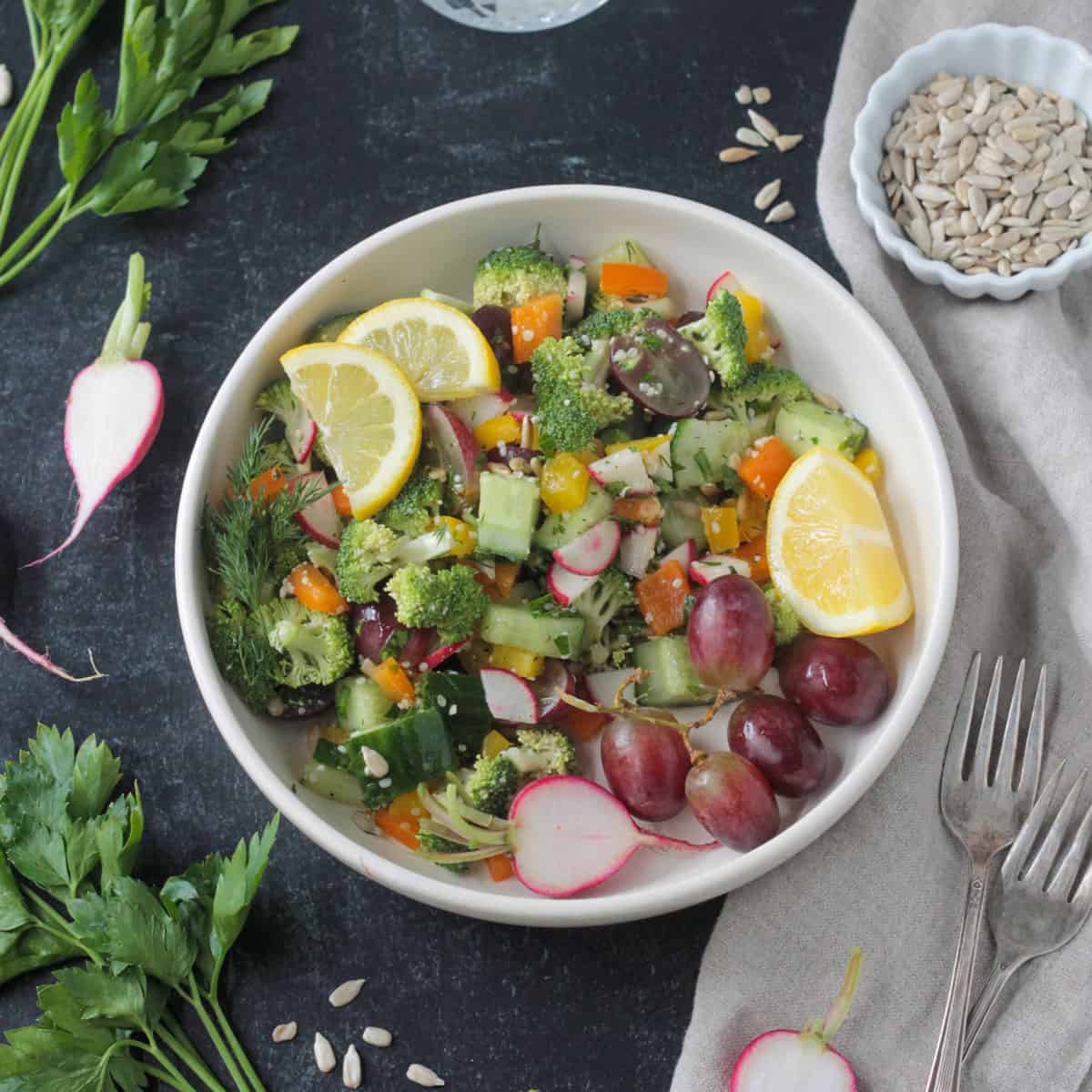
1. Raw Vegetables

Examples: raw salads, uncooked carrots, cabbage, sprouts
Why limit:

  • Higher risk of bacteria when immunity is low
  • Harder to digest during treatment

✔ Safer option: well-cooked or steamed vegetables


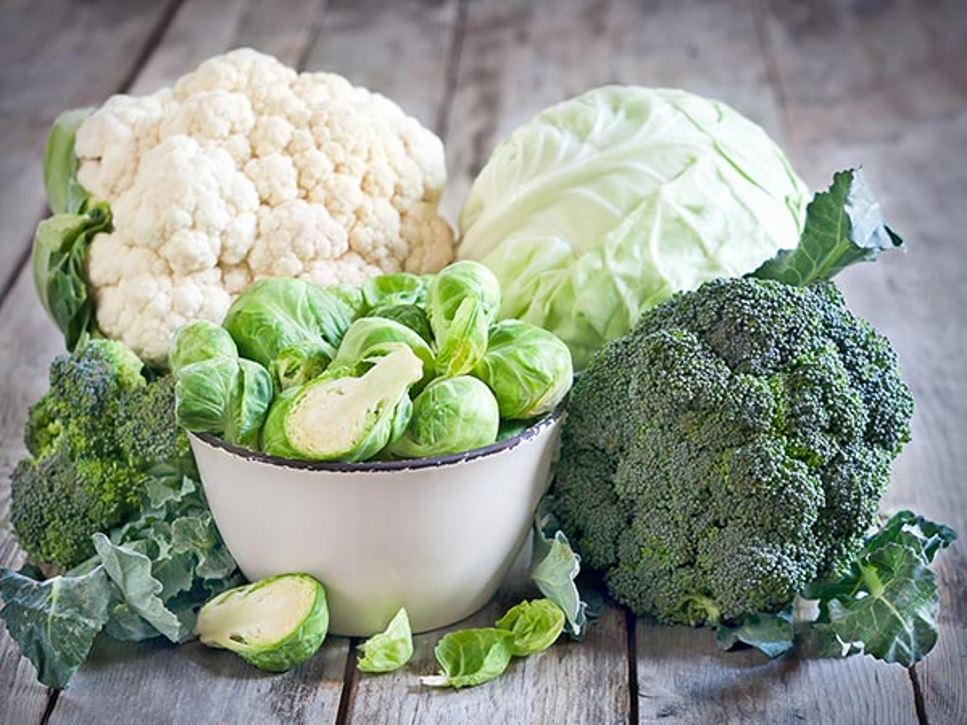
2. Cruciferous Vegetables (In Excess)

Examples: broccoli, cauliflower, cabbage, kale, Brussels sprouts
Why limit:

  • Can cause gas, bloating, and discomfort
  • May irritate the digestive system during treatment

✔ Safer option: eat small portions, well-cooked


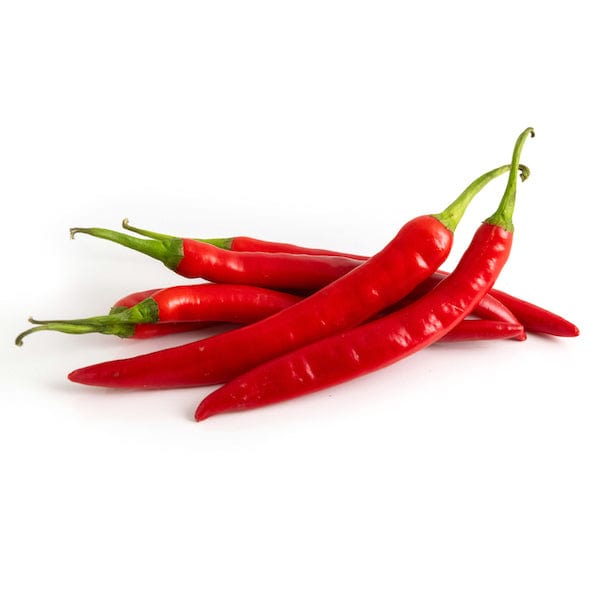
3. Spicy Vegetables

Examples: chili peppers, raw onions, garlic (raw)
Why limit:

  • Can worsen mouth sores, nausea, or heartburn

✔ Safer option: use mild seasonings and cooked onions/garlic


4. High-Fiber Vegetables (During Diarrhea)

Examples: corn, peas, artichokes, raw leafy greens
Why limit:

  • Fiber can worsen diarrhea and cramping

✔ Safer option: low-fiber vegetables like pumpkin, squash, carrots


5. Unwashed or Poorly Handled Vegetables

Examples: street salads, unwashed produce
Why avoid:

  • Increased infection risk during immunosuppression

✔ Always wash thoroughly and cook when possible


✅ Vegetables Usually Better Tolerated

  • Well-cooked carrots
  • Zucchini
  • Pumpkin & squash
  • Spinach (cooked)
  • Green beans

🌱 Key Takeaway

Vegetables are important—but during treatment, preparation matters more than variety. Cooked, soft, mild vegetables are usually safest and most comfortable.

If you’d like, I can:

  • Suggest vegetables for specific side effects (nausea, mouth sores, diarrhea)
  • Create a treatment-friendly meal plan
  • Adapt this list for chemo vs radiation

Posted in cancer prevention | Tagged , , | Comments Off on Foods That Cervical Cancer Cells “Hate”

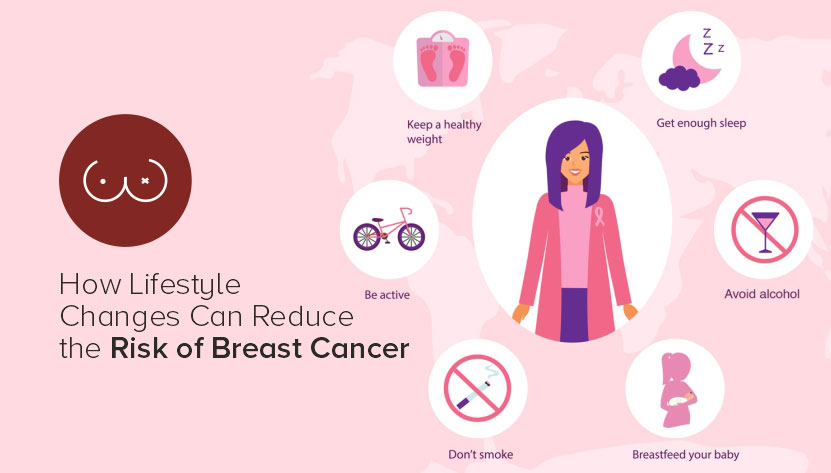
10 Ways to Prevent Breast Cancer Naturally

10 natural, science-supported ways to help reduce the risk of breast cancer. While no method guarantees prevention, these habits support hormonal balance, immune health, and overall well-being.


🌸 10 Ways to Prevent Breast Cancer Naturally

https://www.americanoncology.com/static/uploads/8b243f00-bf0a-4dac-8de9-65b474375063-1745301303834.jpg
https://cchmainsitev2dev.blob.core.windows.net/container1/wp-content/uploads/2021/02/iStock-924858812.jpg
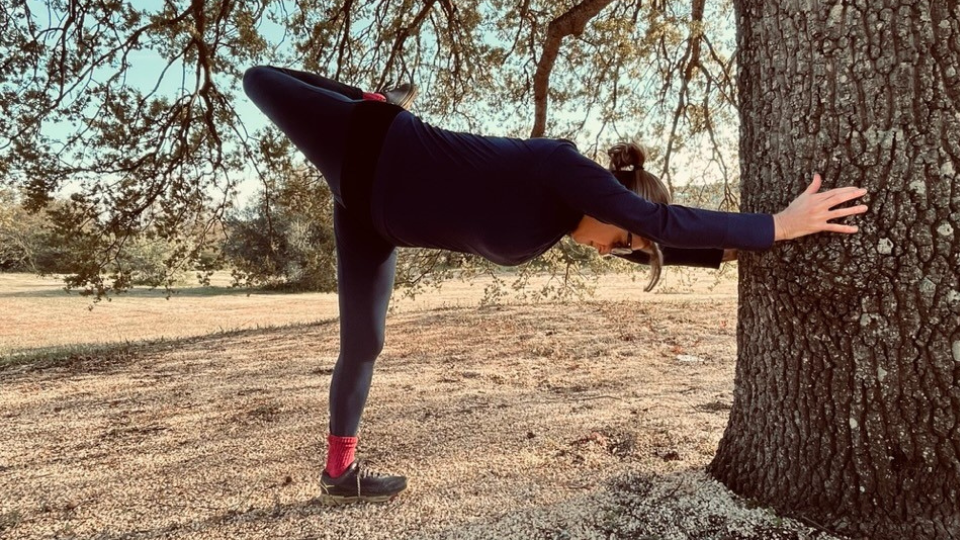
https://hips.hearstapps.com/hmg-prod/images/sportswoman-doing-stretching-exercise-against-sky-royalty-free-image-1752525537.pjpeg?crop=0.639xw%3A0.959xh%3B0.136xw%2C0.0408xh&resize=640%3A%2A

5

1. Eat a Plant-Rich Diet

Focus on vegetables, fruits, whole grains, beans, and nuts. Cruciferous vegetables (broccoli, cauliflower, cabbage) help regulate estrogen.


2. Maintain a Healthy Weight

Excess body fat—especially after menopause—raises estrogen levels, increasing breast cancer risk.


3. Exercise Regularly

Aim for 150–300 minutes of moderate exercise per week. Physical activity lowers estrogen and insulin levels.


4. Limit Alcohol Intake

Alcohol increases breast cancer risk even at low levels. The less you drink, the better.


5. Avoid Smoking & Secondhand Smoke

Smoking damages DNA and weakens immune defenses involved in cancer prevention.


6. Choose Healthy Fats

Use olive oil, nuts, seeds, and omega-3-rich fish. Limit trans fats and highly processed oils.


7. Support Gut & Hormone Health

Eat fiber-rich foods and fermented foods (yogurt, kefir) to help eliminate excess estrogen from the body.


8. Reduce Exposure to Toxins

  • Avoid BPA-containing plastics
  • Use natural personal-care products
  • Wash fruits and vegetables thoroughly

9. Breastfeed If Possible

Breastfeeding lowers lifetime estrogen exposure and provides long-term protection.


10. Get Enough Sleep & Manage Stress

Aim for 7–9 hours of sleep. Chronic stress and poor sleep can disrupt hormone balance and immune function.


🌱 Key Takeaway

Natural prevention focuses on healthy daily habits, especially those that control hormones, inflammation, and weight.

Posted in cancer prevention | Tagged , , | Comments Off on 10 Ways to Prevent Breast Cancer Naturally

5 Healthy Habits to Prevent Lymph Node Cancer

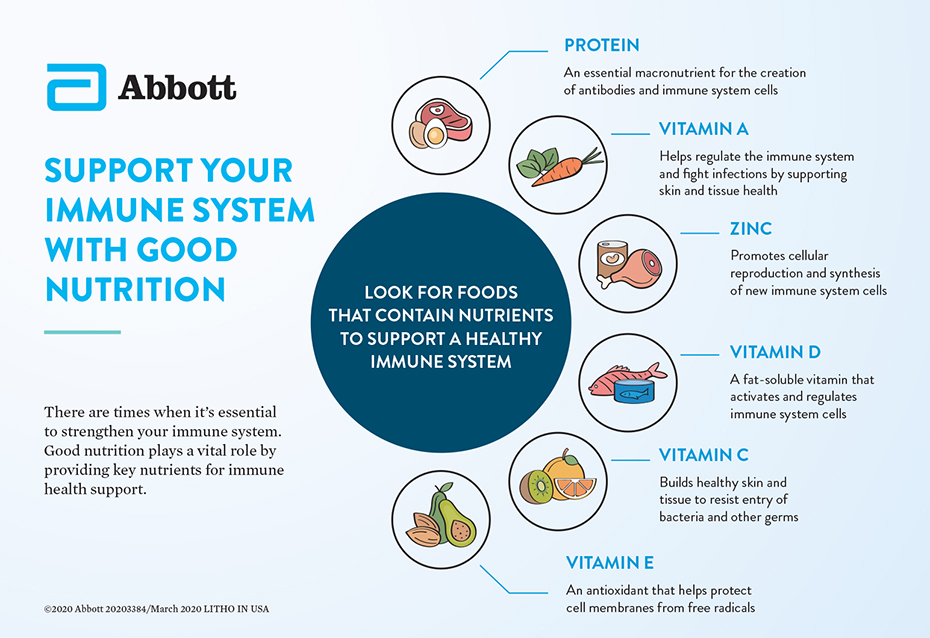
5 healthy, evidence-based habits that can help reduce the risk of lymph node cancer (lymphoma) by supporting immune health, lowering inflammation, and minimizing harmful exposures. While lymphoma can’t always be prevented, these habits improve overall protection.


🛡️ 5 Healthy Habits to Help Prevent Lymph Node Cancer

https://www.nutritionnews.abbott/healthy-living/diet-wellness/how-nutrition-supports-your-immune-system/_jcr_content/root/container/columncontrol_copy/tab_item_no_0/image_copy.coreimg.85.1024.jpeg/1648120232585/in-line-graphic-support-your-immune-system-with-good-nutrition-930.jpeg
https://primexgardencenter.com/wp-content/uploads/2023/07/Primex-Garden-Center-Glenside-Pennsylvania-Antioxidant-Rich-Fruits-and-Veggies-produce-health-benefits.png
https://movementformodernlife.com/blog/wp-content/uploads/2023/07/4.png

5

1. Strengthen Your Immune System with a Healthy Diet

  • Eat plenty of fruits and vegetables, especially leafy greens, berries, garlic, and cruciferous vegetables.
  • Include lean proteins and whole grains to support immune cell function.
  • Limit ultra-processed foods and excess sugar, which can weaken immunity.

2. Exercise Regularly

  • Aim for 30 minutes of moderate activity most days (walking, cycling, yoga).
  • Regular exercise improves immune surveillance and reduces chronic inflammation—both important in lymphoma prevention.

3. Avoid Tobacco and Limit Alcohol

  • Smoking damages immune cells and increases cancer risk.
  • Excessive alcohol suppresses immune function and may raise lymphoma risk.

4. Protect Yourself from Infections

  • Practice good hygiene and food safety.
  • Get recommended vaccinations (such as Hepatitis B).
  • Treat chronic infections promptly, as some are linked to lymphoma.

5. Manage Stress and Get Quality Sleep

  • Chronic stress and poor sleep weaken immune defenses.
  • Aim for 7–9 hours of sleep and use stress-reduction techniques like meditation, breathing exercises, or light exercise.

🌱 Key Reminder

Lymph node cancer often involves immune system factors, so habits that support immunity are especially important.

Posted in cancer prevention | Tagged , , | Comments Off on 5 Healthy Habits to Prevent Lymph Node Cancer

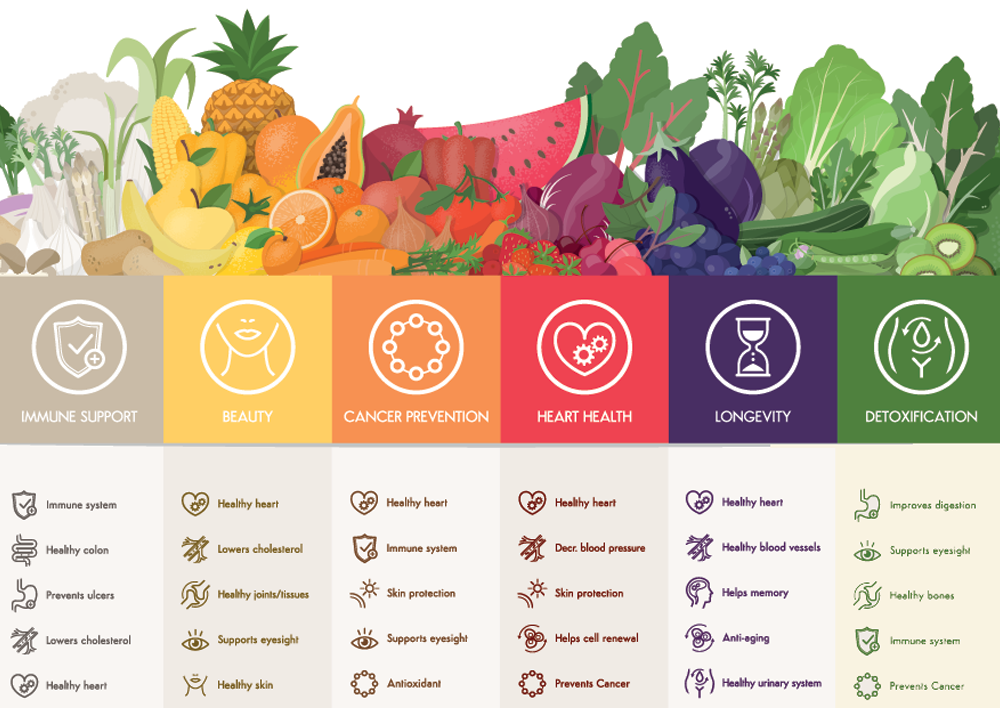
Vitamins that are good for the immune system and can inhibit the growth of cancer cells

Certain vitamins support the immune system and are associated in research with anti-cancer effects, such as helping control inflammation, oxidative stress, and abnormal cell growth.
⚠️ Important note: Vitamins do not cure cancer, but they may support the body’s defenses and reduce cancer risk when obtained mainly from food.


🛡️ Vitamins That Support Immunity & May Inhibit Cancer Cell Growth

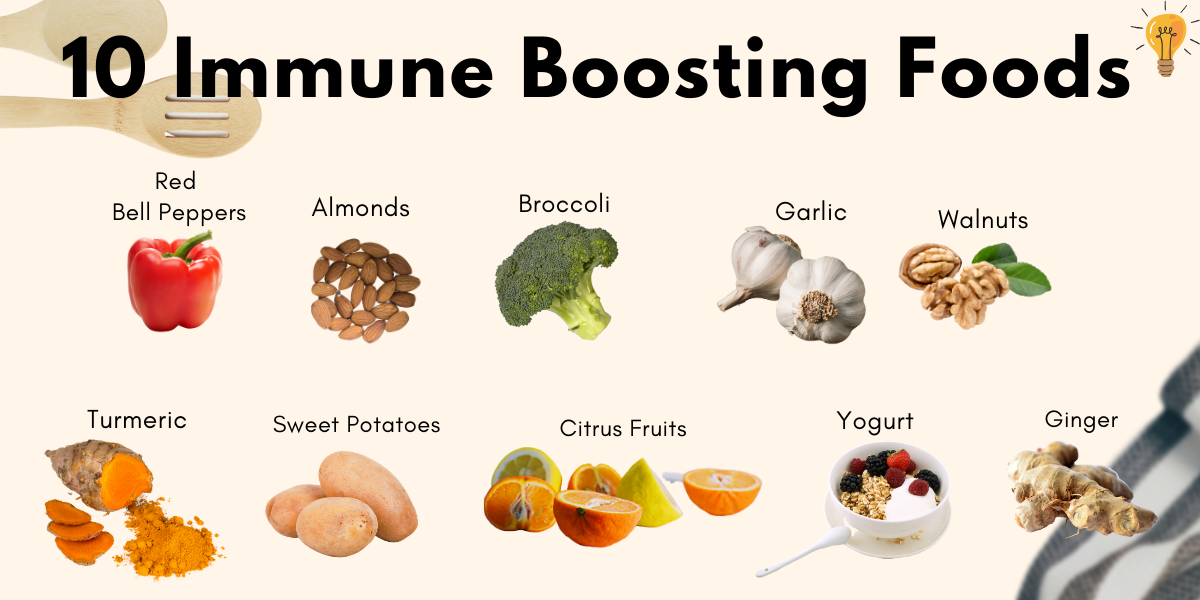
https://manipaltrutest.s3.ap-south-1.amazonaws.com/blog-images/blog-images-1699682767542-825318-immune%20boosting.png
https://primexgardencenter.com/wp-content/uploads/2023/07/Primex-Garden-Center-Glenside-Pennsylvania-Antioxidant-Rich-Fruits-and-Veggies-produce-health-benefits.png
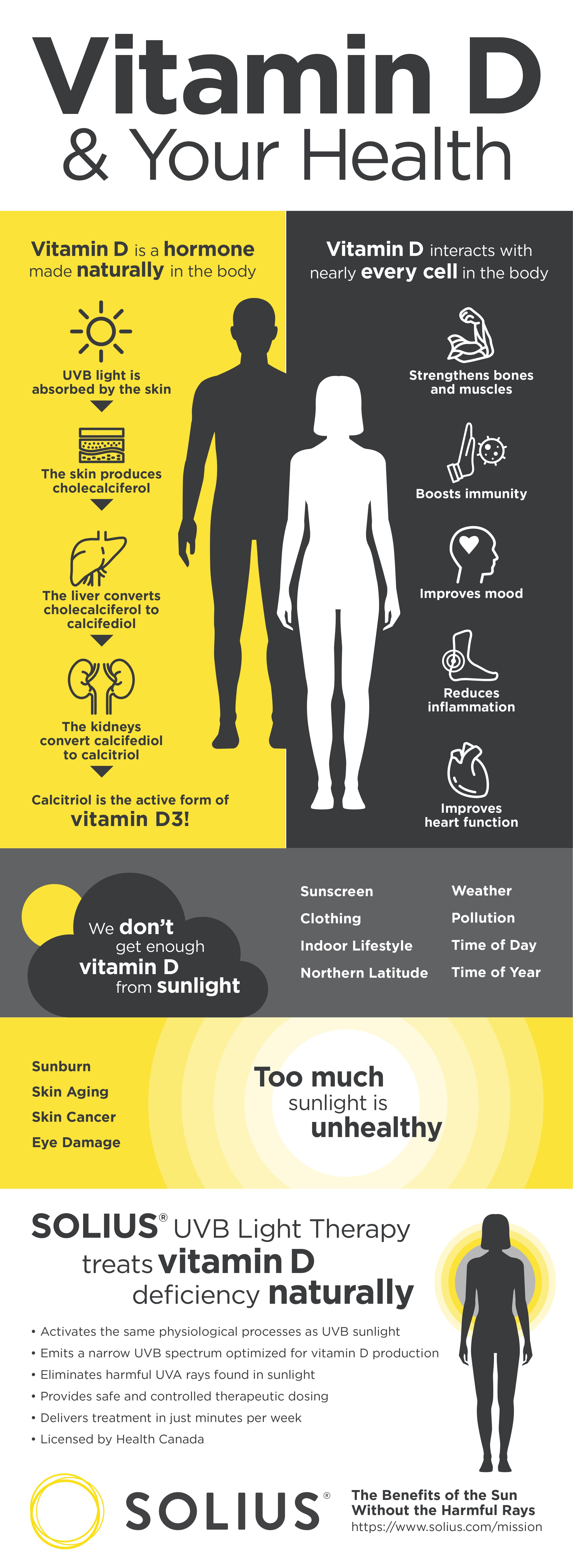
https://images.squarespace-cdn.com/content/v1/5ce32274858d840001a84c6c/0b58ad12-58fc-47f6-9cee-ea281244e3f4/SOLIUS-Sun-Infographic-72dpi.jpg

4

1. Vitamin D

Why it helps

  • Regulates immune response
  • Helps control cell growth and differentiation
  • Low levels linked to higher risk of colorectal, breast, and prostate cancers

Sources

  • Sunlight
  • Fatty fish (salmon, sardines)
  • Egg yolks, fortified milk

2. Vitamin C

Why it helps

  • Powerful antioxidant
  • Enhances white blood cell function
  • May slow tumor growth by reducing oxidative damage

Sources

  • Citrus fruits, kiwi
  • Bell peppers, strawberries
  • Broccoli, tomatoes

3. Vitamin A (and Beta-Carotene)

Why it helps

  • Supports immune cells and healthy tissues
  • Regulates cell growth and differentiation
  • May protect against lung and skin cancers (from food sources)

Sources

  • Carrots, sweet potatoes
  • Spinach, kale
  • Mango, pumpkin

⚠️ High-dose supplements may be harmful—food sources are safer.


4. Vitamin E

Why it helps

  • Antioxidant that protects cells from DNA damage
  • Supports immune signaling

Sources

  • Almonds, sunflower seeds
  • Wheat germ, avocado
  • Olive oil

5. Vitamin B6

Why it helps

  • Supports immune cell production
  • Helps regulate inflammation
  • May lower risk of colorectal cancer

Sources

  • Bananas
  • Chickpeas
  • Poultry, whole grains

6. Folate (Vitamin B9)

Why it helps

  • Essential for DNA repair and synthesis
  • Prevents abnormal cell division

Sources

  • Leafy greens (spinach, lettuce)
  • Lentils, beans
  • Asparagus

🌿 Best Practices for Cancer Prevention

✔ Get vitamins from whole foods, not megadoses
✔ Avoid high-dose supplements unless prescribed
✔ Combine nutrition with exercise, sleep, and no smoking


🧠 Key Takeaway

Vitamins support the immune system and cellular health, which may help the body prevent or slow cancer development, but they work best as part of a healthy lifestyle, not as a standalone treatment.

If you want, I can:

  • Suggest a daily immune-boosting meal plan
  • Recommend safe supplement ranges
  • Tailor advice based on age, gender, or health goals
Posted in cancer prevention | Tagged , , | Comments Off on Vitamins that are good for the immune system and can inhibit the growth of cancer cells

Learn 10 Healthy Lifestyle Tips to Prevent Cancer

10 practical, science-backed healthy lifestyle tips that can help reduce your risk of cancer. No single habit is magic—but together, they make a powerful difference.

🌱 10 Healthy Lifestyle Tips to Prevent Cancer

https://sportsmassageearley.co.uk/wp-content/uploads/2022/06/daily-habits.jpg
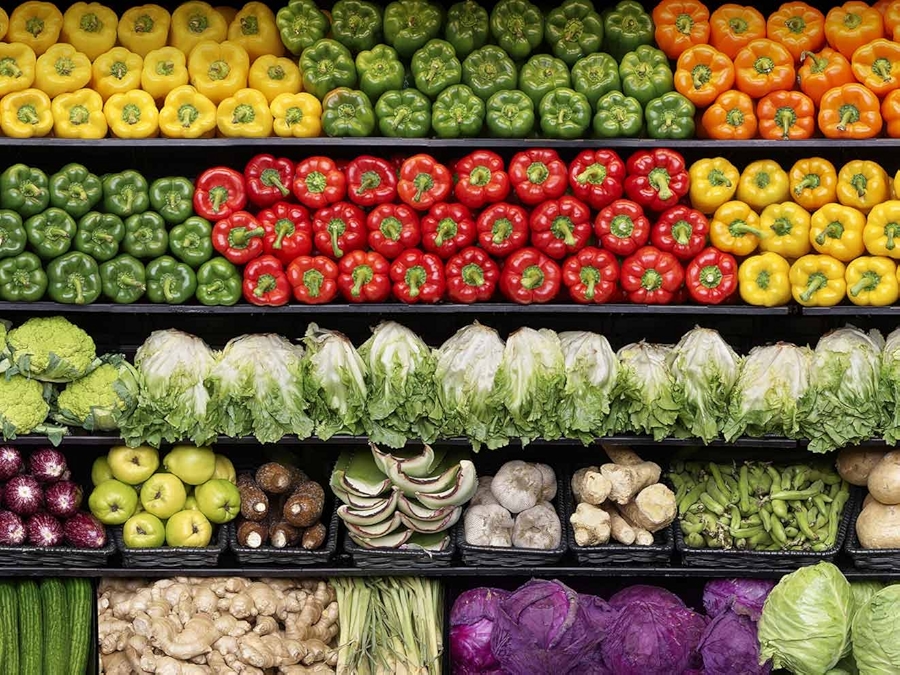
https://m.media-amazon.com/images/S/assets.wholefoodsmarket.com//content/89/5d/53a583a54470aa62ae77269dd715/produce-wall-660x495-2x._TTW_._CR0%2C0%2C1320%2C990_._SR900%2C675_._QL100_.jpg
https://movementformodernlife.com/blog/wp-content/uploads/2023/07/4.png

5

1. Eat More Fruits and Vegetables

Aim for at least 5 servings a day. They’re rich in antioxidants, fiber, and cancer-protective nutrients.

2. Choose Whole Foods

Eat whole grains, legumes, nuts, and seeds instead of processed and refined foods.

3. Limit Processed & Red Meat

Reduce intake of sausages, bacon, ham, and limit red meat to lower colorectal cancer risk.

4. Stay Physically Active

Get 150–300 minutes of moderate exercise per week (walking, cycling, swimming).

5. Maintain a Healthy Body Weight

Being overweight increases the risk of several cancers, including breast and colon cancer.

6. Avoid Tobacco Completely

Smoking and tobacco use are linked to many cancers—quitting is one of the most effective prevention steps.

7. Limit Alcohol Consumption

If you drink, do so sparingly. Less alcohol = lower cancer risk.

8. Protect Your Skin from the Sun

Use SPF 30+ sunscreen, wear hats, and avoid tanning beds to prevent skin cancer.

9. Get Vaccinated

Vaccines like HPV and Hepatitis B prevent infections that can lead to cancer.

10. Go for Regular Health Screenings

Early detection through screenings can save lives and improve treatment success.


✅ Key Takeaway

Cancer prevention isn’t about perfection—it’s about daily healthy choices that add up over time.

If you want, I can:

  • Create a personalized cancer-prevention plan
  • Adapt these tips for men, women, or specific age groups
  • Turn this into a poster, presentation, or student notes
Posted in cancer prevention, Health | Comments Off on Learn 10 Healthy Lifestyle Tips to Prevent Cancer

Understanding Preventive Medications and Surgeries for High-Risk Individuals

For individuals at high risk of breast cancer—such as those with inherited gene mutations (e.g., BRCA1, BRCA2), a strong family history, or prior chest radiation—there are preventive strategies to reduce the likelihood of developing the disease. These strategies include medications and surgeries, each with distinct benefits and considerations.


💊 Preventive Medications

Certain medications, known as chemopreventive agents, can lower the risk of breast cancer in high-risk individuals:American Cancer Society+2National Cancer Institute+2Brigham and Women’s Hospital+2

1. Tamoxifen

2. Raloxifene

  • Mechanism: Another SERM that also blocks estrogen in breast tissue.
  • Effectiveness: Reduces the risk of breast cancer by about 38% in high-risk postmenopausal women.
  • Eligibility: Only approved for postmenopausal women.
  • Considerations: Generally has fewer side effects than tamoxifen but still carries risks such as blood clots .Susan G. Komen®

3. Aromatase Inhibitors (e.g., Exemestane, Anastrozole)

  • Mechanism: Inhibit the enzyme aromatase, reducing estrogen production in postmenopausal women.
  • Effectiveness: Shown to reduce breast cancer risk in postmenopausal women, though not FDA-approved for this purpose .
  • Considerations: May cause side effects like hot flashes, joint pain, and decreased bone density.

These medications are typically taken for 5 years and are most effective in preventing estrogen receptor-positive breast cancers. It’s essential to discuss with a healthcare provider whether these options are appropriate based on individual risk factors and medical history.


🏥 Preventive Surgeries

For those at very high risk, surgical options can significantly reduce breast cancer risk:National Cancer Institute

1. Bilateral Prophylactic Mastectomy

2. Risk-Reducing Salpingo-Oophorectomy

  • Procedure: Removal of both ovaries and fallopian tubes.
  • Effectiveness: Reduces the risk of ovarian and breast cancer in women with BRCA1 or BRCA2 mutations.
  • Considerations: Induces early menopause in premenopausal women, leading to associated symptoms and long-term health considerations .National Cancer Instituteheraldsun.com.au+1National Cancer Institute+1

These surgical options are typically considered for individuals with a high genetic risk and after thorough counseling regarding the potential benefits and emotional, physical, and financial implications.


🧭 Making an Informed Decision

Choosing between medications and surgeries involves careful consideration of personal risk factors, medical history, and individual preferences. It’s crucial to consult with healthcare professionals, including genetic counselors and oncologists, to evaluate the most appropriate preventive measures. In some cases, a combination of strategies may be recommended to optimize risk reduction.

If you’re interested in exploring these options further or need assistance finding specialists in your area, feel free to ask for more information.

Posted in cancer prevention | Tagged , , , | Comments Off on Understanding Preventive Medications and Surgeries for High-Risk Individuals

Diet and Nutrition Tips for Breast Cancer Prevention

Diet and nutrition play a crucial role in reducing the risk of breast cancer. While no single food can prevent cancer, a balanced diet rich in certain foods and low in others can support overall health and potentially lower breast cancer risk.


🥦 Foods to Include for Breast Cancer Prevention

  1. Fruits and Vegetables: High intake of fruits and vegetables is associated with a reduced risk of breast cancer. Aim for at least 2½ to 3 cups of vegetables and 1½ to 2 cups of fruit daily. Particularly beneficial are dark leafy greens like kale and spinach, as well as citrus fruits rich in vitamin C and antioxidants .American Cancer SocietyLompoc Valley Medical Center
  2. Whole Grains and Legumes: Foods such as beans, lentils, and whole grains provide fiber, which may help eliminate excess estrogen from the body, potentially reducing breast cancer risk .Medical News Today
  3. Healthy Fats: Incorporate sources of healthy fats like olive oil, avocados, nuts, seeds, and fatty fish (e.g., salmon, mackerel). These fats have anti-inflammatory properties and may help reduce cancer risk .WakeMed
  4. Soy-Based Foods: Moderate consumption of soy products like tofu and edamame may be protective against breast cancer, especially in premenopausal women .
  5. Flaxseeds: Rich in omega-3 fatty acids and lignans, flaxseeds may help reduce breast cancer risk. Consuming 1–3 tablespoons of ground flaxseeds daily is considered beneficial .EatingWell

❌ Foods and Habits to Limit or Avoid

  1. Alcohol: Even small amounts of alcohol can increase breast cancer risk. It’s advisable to limit or avoid alcohol consumption .American Cancer Society
  2. Red and Processed Meats: High consumption of red and processed meats has been linked to an increased risk of breast cancer. Opt for lean protein sources like poultry, fish, and plant-based proteins .
  3. Added Sugars and Refined Carbohydrates: Diets high in added sugars and refined carbs can lead to weight gain and increased insulin levels, which may elevate breast cancer risk .
  4. Saturated and Trans Fats: Limit intake of saturated fats found in full-fat dairy products, fatty cuts of meat, and hydrogenated oils. These fats may contribute to inflammation and increased cancer risk .Stanford Health Care

🧘 Lifestyle Tips to Complement a Healthy Diet

  • Maintain a Healthy Weight: Being overweight, especially after menopause, increases breast cancer risk. Balancing calorie intake with physical activity can help manage weight .
  • Stay Physically Active: Regular exercise can help maintain a healthy weight and may lower breast cancer risk .
  • Breastfeed if Possible: Breastfeeding may slightly lower breast cancer risk, particularly if continued for several months .

Incorporating these dietary and lifestyle changes can support overall health and may reduce the risk of breast cancer. It’s important to consult with a healthcare provider before making significant changes to your diet or lifestyle, especially if you have existing health conditions.

Posted in cancer prevention | Tagged , , | Comments Off on Diet and Nutrition Tips for Breast Cancer Prevention

The Importance of Regular Screenings in Breast Cancer Prevention

Regular breast cancer screenings are vital for early detection, which significantly improves treatment outcomes and survival rates.


🩺 Why Regular Screenings Matter

  • Early Detection Saves Lives: When breast cancer is identified early, particularly in its localized stage, the 5-year relative survival rate is approximately 99% .Ezra+2National Breast Cancer Foundation+2UC Davis Health+2
  • Less Aggressive Treatment: Early-stage cancers are more likely to be treated with less invasive methods, reducing the need for extensive surgeries or chemotherapy .
  • Improved Prognosis: Smaller, localized tumors have a better prognosis and are more responsive to treatment .Carol Milgard Breast Center

📅 Screening Guidelines

  • Ages 40–44: Optional annual mammograms.Breastcancer.org
  • Ages 45–54: Annual mammograms.Ezra
  • Ages 55 and older: Biennial mammograms or continue annual screenings based on personal health and preferences .

Women with a family history of breast cancer or other risk factors may need to begin screenings earlier and consider additional imaging like MRI .


🧠 Additional Considerations

  • Breast Density: Women with dense breast tissue may require supplemental screening methods, such as ultrasound or MRI, as dense tissue can obscure mammogram results .
  • Self-Awareness: Being familiar with the normal look and feel of your breasts can help you notice any changes that may require further evaluation .glamour.com+14CDC+14Wikipedia+14

📍 Accessing Screenings in Gresik

In Gresik, East Java, Indonesia, you can access breast cancer screenings through local hospitals and clinics. It’s advisable to contact your healthcare provider to discuss your individual risk factors and determine the appropriate screening schedule for you.


🗣️ Real-Life Impact

Public figures like Meghan McCain have shared their experiences with breast cancer scares, emphasizing the importance of regular screenings. At 40, McCain had a biopsy for a breast mass, which turned out to be benign. She highlighted how crucial routine screenings are for early detection, as breast cancer affects one in eight women in the U.S. .People.com


In summary, regular breast cancer screenings are a cornerstone of preventive healthcare. They enable early detection, leading to more effective treatment and improved survival rates. Consult with your healthcare provider to establish a screening plan tailored to your individual needs.Healthline

Posted in cancer prevention | Tagged , , , | Comments Off on The Importance of Regular Screenings in Breast Cancer Prevention