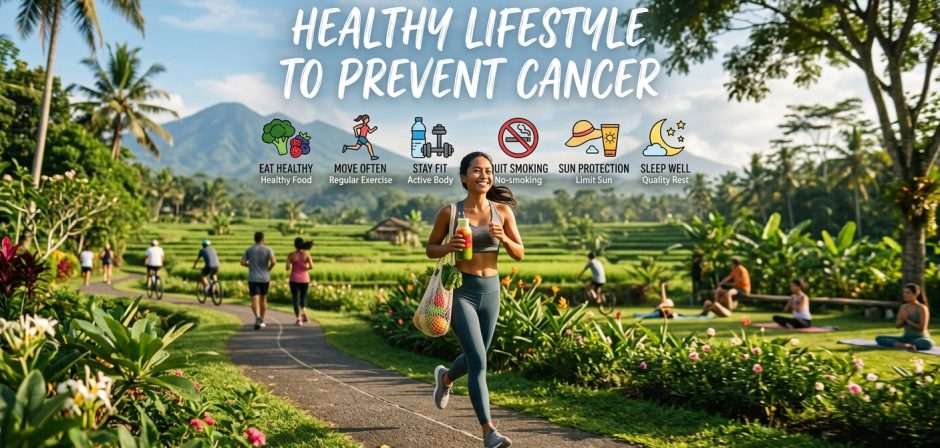
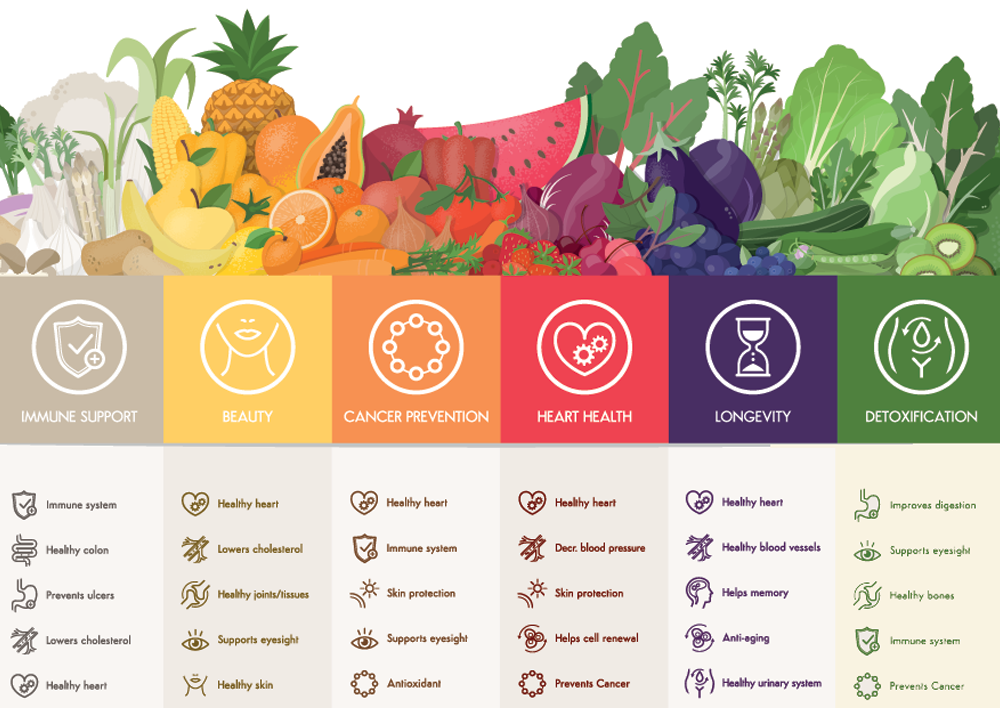
Certain vitamins support the immune system and are associated in research with anti-cancer effects, such as helping control inflammation, oxidative stress, and abnormal cell growth.
⚠️ Important note: Vitamins do not cure cancer, but they may support the body’s defenses and reduce cancer risk when obtained mainly from food.
🛡️ Vitamins That Support Immunity & May Inhibit Cancer Cell Growth
4
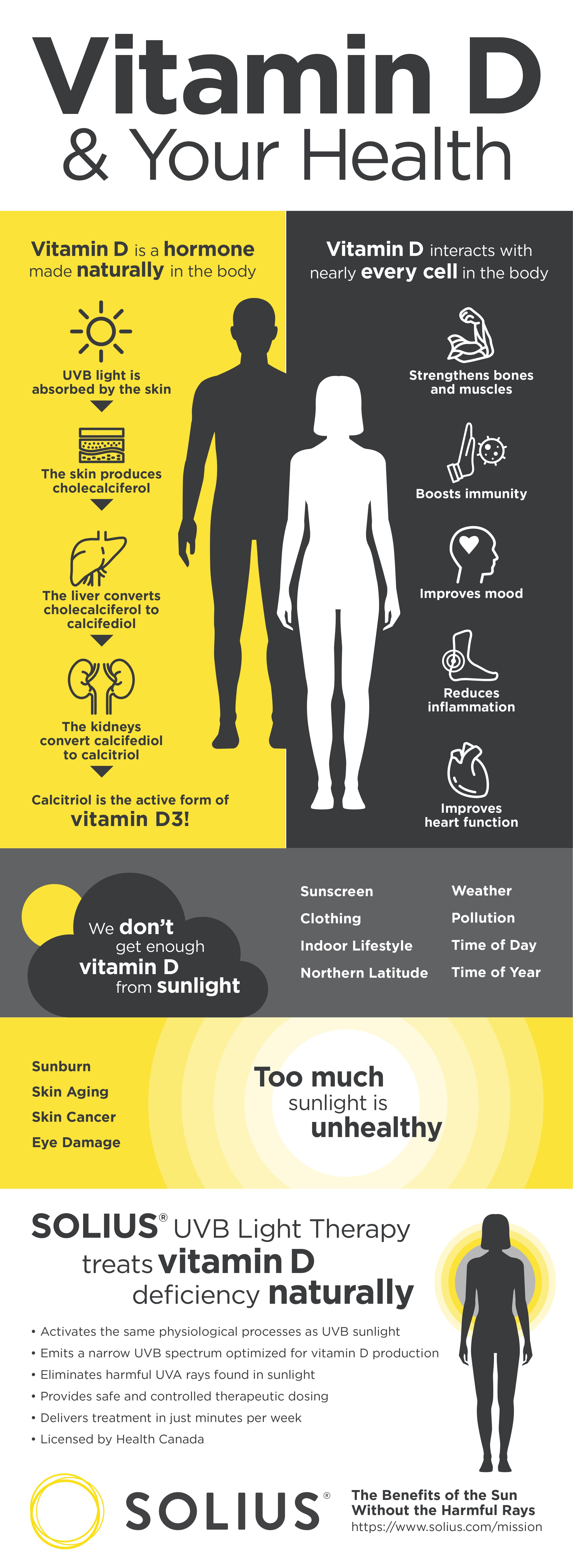
1. Vitamin D
Why it helps
- Regulates immune response
- Helps control cell growth and differentiation
- Low levels linked to higher risk of colorectal, breast, and prostate cancers
Sources
- Sunlight
- Fatty fish (salmon, sardines)
- Egg yolks, fortified milk
2. Vitamin C
Why it helps
- Powerful antioxidant
- Enhances white blood cell function
- May slow tumor growth by reducing oxidative damage
Sources
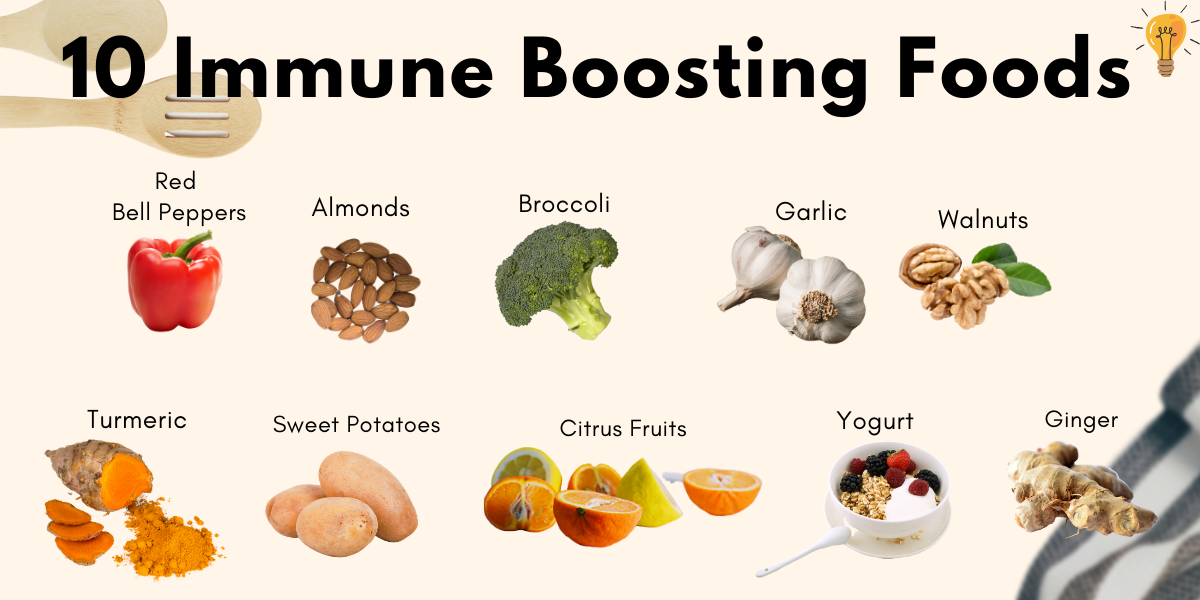
- Citrus fruits, kiwi
- Bell peppers, strawberries
- Broccoli, tomatoes
3. Vitamin A (and Beta-Carotene)
Why it helps
- Supports immune cells and healthy tissues
- Regulates cell growth and differentiation
- May protect against lung and skin cancers (from food sources)
Sources
- Carrots, sweet potatoes
- Spinach, kale
- Mango, pumpkin
⚠️ High-dose supplements may be harmful—food sources are safer.
4. Vitamin E
Why it helps
- Antioxidant that protects cells from DNA damage
- Supports immune signaling
Sources
- Almonds, sunflower seeds
- Wheat germ, avocado
- Olive oil
5. Vitamin B6
Why it helps
- Supports immune cell production
- Helps regulate inflammation
- May lower risk of colorectal cancer
Sources
- Bananas
- Chickpeas
- Poultry, whole grains
6. Folate (Vitamin B9)
Why it helps
- Essential for DNA repair and synthesis
- Prevents abnormal cell division
Sources
- Leafy greens (spinach, lettuce)
- Lentils, beans
- Asparagus
🌿 Best Practices for Cancer Prevention
✔ Get vitamins from whole foods, not megadoses
✔ Avoid high-dose supplements unless prescribed
✔ Combine nutrition with exercise, sleep, and no smoking
🧠 Key Takeaway
Vitamins support the immune system and cellular health, which may help the body prevent or slow cancer development, but they work best as part of a healthy lifestyle, not as a standalone treatment.
If you want, I can:
- Suggest a daily immune-boosting meal plan
- Recommend safe supplement ranges
- Tailor advice based on age, gender, or health goals
