
During cancer treatment (such as chemotherapy or radiation), some vegetables may need to be limited or temporarily avoided depending on side effects like low immunity, mouth sores, digestive issues, or medication interactions.
⚠️ This is general guidance—always follow advice from your oncology care team.
🥬 Vegetables to Limit or Avoid During Cancer Treatment
5
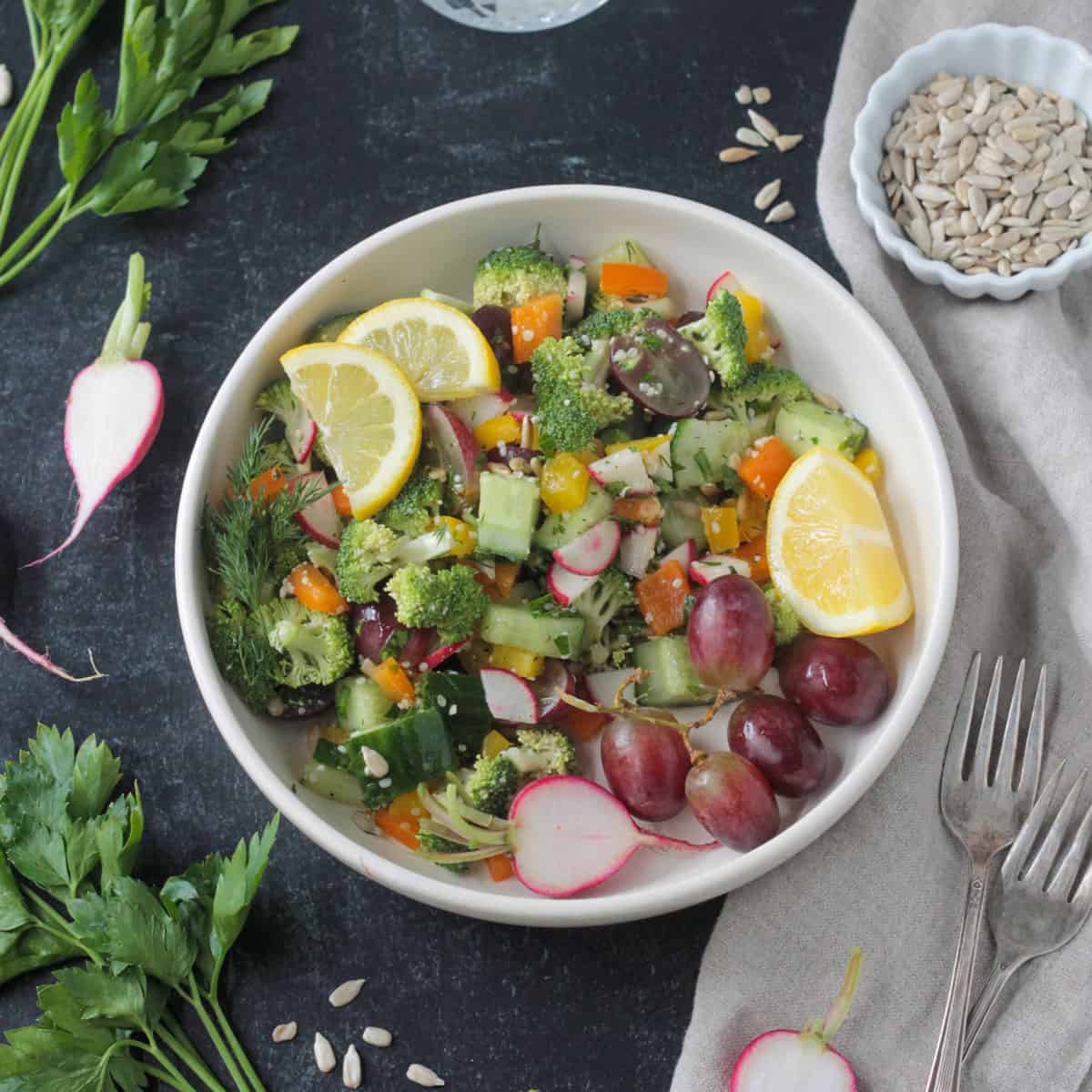
1. Raw Vegetables
Examples: raw salads, uncooked carrots, cabbage, sprouts
Why limit:
- Higher risk of bacteria when immunity is low
- Harder to digest during treatment
✔ Safer option: well-cooked or steamed vegetables
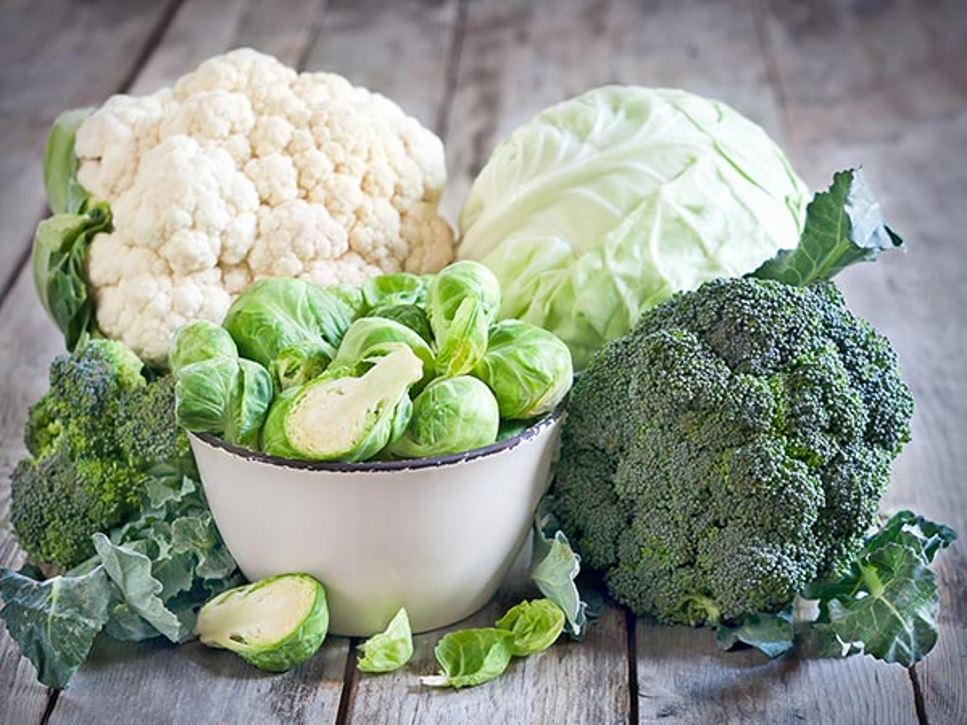
2. Cruciferous Vegetables (In Excess)
Examples: broccoli, cauliflower, cabbage, kale, Brussels sprouts
Why limit:
- Can cause gas, bloating, and discomfort
- May irritate the digestive system during treatment
✔ Safer option: eat small portions, well-cooked
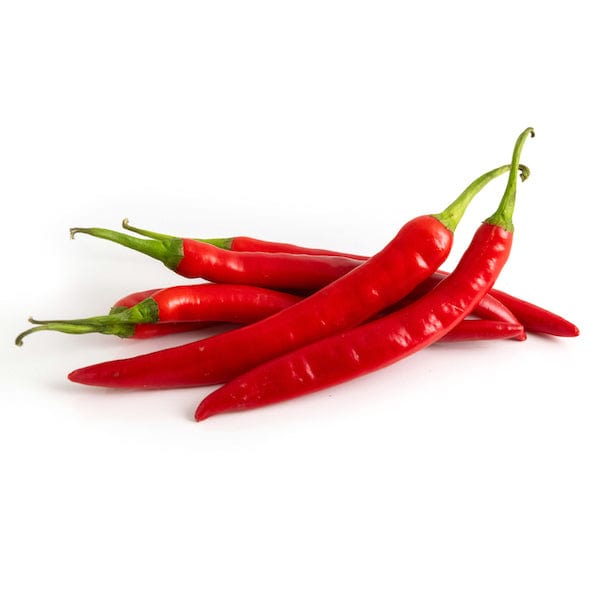
3. Spicy Vegetables
Examples: chili peppers, raw onions, garlic (raw)
Why limit:
- Can worsen mouth sores, nausea, or heartburn
✔ Safer option: use mild seasonings and cooked onions/garlic
4. High-Fiber Vegetables (During Diarrhea)
Examples: corn, peas, artichokes, raw leafy greens
Why limit:
- Fiber can worsen diarrhea and cramping
✔ Safer option: low-fiber vegetables like pumpkin, squash, carrots
5. Unwashed or Poorly Handled Vegetables
Examples: street salads, unwashed produce
Why avoid:
- Increased infection risk during immunosuppression
✔ Always wash thoroughly and cook when possible
✅ Vegetables Usually Better Tolerated
- Well-cooked carrots
- Zucchini
- Pumpkin & squash
- Spinach (cooked)
- Green beans
🌱 Key Takeaway
Vegetables are important—but during treatment, preparation matters more than variety. Cooked, soft, mild vegetables are usually safest and most comfortable.
If you’d like, I can:
- Suggest vegetables for specific side effects (nausea, mouth sores, diarrhea)
- Create a treatment-friendly meal plan
- Adapt this list for chemo vs radiation
